Introduction
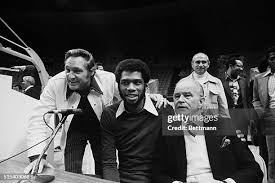
Kareem Abdul-Jabbar, a name synonymous with basketball excellence, is celebrated not only for his outstanding achievements on the court but also for his significant contributions off it. As one of the greatest players in NBA history, Abdul-Jabbar’s influence extends far beyond sports, making him a vital figure in American culture and social justice movements. With the recent resurgence of interest in his life and career, it is imperative to revisit his impact and legacy.
Career Highlights
Born Ferdinand Lewis Alcindor Jr. on April 16, 1947, in New York City, Kareem Abdul-Jabbar was a basketball prodigy. He attended UCLA, where he won three consecutive NCAA championships under coach John Wooden before being drafted first overall by the Milwaukee Bucks in 1969. During his 20-season career, he became the NBA’s all-time leading scorer, a title he still holds today with 38,387 points.
Abdul-Jabbar’s career was marked by a multitude of accolades, including six NBA championships, six MVP awards, and 19 All-Star selections. His signature skyhook shot became one of the most unstoppable moves in basketball history, contributing to his sustained success with both the Bucks and the Los Angeles Lakers.
Advocacy and Influence
Beyond basketball, Abdul-Jabbar has been outspoken on various social and political issues, making him a respected public figure. He has advocated for civil rights, education, and health awareness, often using his platform to address disparities in the African American community. His memoir, “Becoming Kareem: Growing Up On and Off the Court,” released in 2017, sheds light on his experiences of race, identity, and legacy.
Abdul-Jabbar’s influence continues to resonate, particularly among younger generations of athletes. He has transitioned into a successful author, speaker, and cultural commentator, engaging in conversations about important social issues and promoting awareness through various media outlets.
Conclusion
As fans and analysts look back on Kareem Abdul-Jabbar’s monumental career, it is clear that he is much more than just a basketball player. His accomplishments have paved the way for future generations, and his commitment to activism and education exemplifies his character off the court. With growing interest in social justice issues in sports, Abdul-Jabbar’s insights remain incredibly relevant. As we continue to explore his legacy, there is no doubt that his influence will endure, inspiring both current and aspiring athletes to pursue excellence in sports and society alike.