Introduction
Magic Johnson, an iconic figure in the world of basketball and beyond, has made a significant impact on both the sport and society at large. Known for his incredible skills on the court, Johnson’s influence extends to business, philanthropy, and his ongoing commitment to community engagement. His story is not only about athletic achievement but also about resilience, leadership, and the fight against HIV/AIDS stigma, which resonates with audiences across generations.
Career Highlights
Magic Johnson, born Earvin Johnson Jr. on August 14, 1959, in Lansing, Michigan, rose to fame during his college career at Michigan State University, leading the Spartans to a national championship in 1979. He was drafted first overall by the Los Angeles Lakers and quickly became a symbol of the franchise’s success in the 1980s. His productive partnership with fellow NBA star Larry Bird created one of the most celebrated rivalries in sports history, culminating in multiple championships for both players.
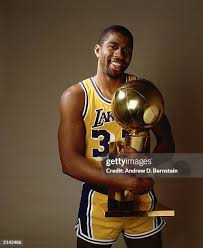
During his NBA career, Johnson was a three-time NBA MVP, won five NBA championships, and was named to the All-Star team 10 times. His unique playing style, characterized by his unparalleled passing ability and court vision, redefined the point guard position and earned him the nickname “Magic.”
Impact Beyond Basketball
Johnson’s influence extends far beyond the basketball court. After his HIV diagnosis in 1991, he became an advocate for HIV/AIDS awareness and education, utilizing his platform to fight stigma and support research initiatives. The formation of the Magic Johnson Foundation played a crucial role in funding programs aimed at health care, education, and urban development.
In addition to his philanthropic efforts, Johnson became a successful businessman with ventures in the food industry, cinema, and sports franchise ownership, including the Los Angeles Dodgers. His business acumen continues to inspire many, particularly within minority communities.
Conclusion
Magic Johnson’s journey from a young boy in Michigan to a global icon demonstrates the power of sports as a transformative force. His legacy is defined not only by his achievements in basketball but also by his commitment to social issues and entrepreneurship. As we look ahead, Johnson’s work—both on and off the court—reminds us of the significant role that athletes can play in society. He has set a precedent that will inspire future generations to use their voices and successes for greater good.