Introduction
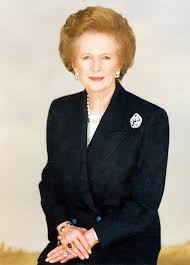
Margaret Thatcher, the first female Prime Minister of the United Kingdom, remains one of the most influential political figures of the 20th century. Her tenure from 1979 to 1990 marked a significant shift in British politics and had profound global implications. With her tough-as-nails persona, Thatcher earned the nickname ‘The Iron Lady’ for her unwavering leadership style. As the nation reflects upon her legacy, understanding her policies and their lasting impact is crucial for contemporary politics.
The Era of Thatcherism
Upon taking office, Thatcher immediately set forth a series of economic and social reforms that came to be known as ‘Thatcherism.’ Her government focused on reducing the power of trade unions, privatizing state-owned companies, and promoting free-market policies. This economic approach aimed to combat the high inflation and unemployment rates of the late 1970s. Key policies included the privatisation of British Telecom, British Gas, and British Airways, which transformed the landscape of British industry.
Foreign Policy and Global Influence
Thatcher’s foreign policy was equally influential. Her close relationship with U.S. President Ronald Reagan marked a pivotal moment in the Cold War, as both leaders worked to counter the Soviet Union’s influence. The Falklands War of 1982, sparked by Argentina’s invasion of the Falkland Islands, showcased her strong leadership during a military conflict and solidified her reputation as a decisive leader. The victory in the Falklands not only bolstered her political standing but also reinvigorated national pride.
Controversies and Criticism
While Thatcher’s policies garnered significant support, they were also met with fierce criticism. Many argued that her economic policies increased social inequality and led to the decline of traditional industries such as coal and manufacturing. Her administration faced substantial opposition from labor movements and activists who felt marginalized by her reforms. The Poll Tax, introduced in 1989, sparked widespread protests and ultimately contributed to her political fall in 1990.
Conclusions and Legacy
Margaret Thatcher’s impact on British and global politics is undeniable. Her approach to governance and economic reform fundamentally changed the fabric of British society, paving the way for future governments to embrace or reject her ideologies. As discussions around her legacy continue, the themes of economic liberalization, national pride, and leadership style remain relevant. In retrospect, Thatcher’s era serves as a powerful reminder of the complexities and challenges of political leadership, influencing generations of politicians and citizens alike. Understanding her legacy can offer valuable lessons in the current political climate, as leaders face polarized views and economic uncertainties.