Introduction
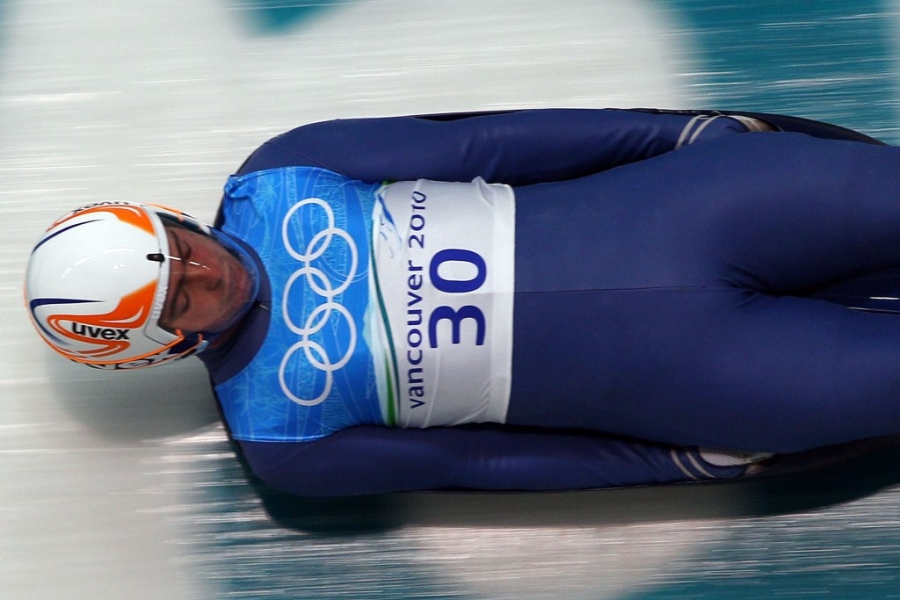
Nodar Kumaritashvili, a Georgian luger, tragically lost his life in a horrific accident during a training run for the 2010 Winter Olympics in Vancouver. His untimely death not only shocked the sports world but also ignited a global conversation about the safety of athletes in extreme sports. Kumaritashvili, just 21 years old at the time, became a symbol of the perils associated with high-speed winter sports.
The Incident
On February 12, 2010, Kumaritashvili was practicing on the Whistler Sliding Centre track, which was known for its speed and technical difficulty. In a tragic turn of events, he lost control of his sled on the final turn and crashed into a metal support pole. The impact was severe, leading to fatal injuries that could not be overcome. This grim incident raised immediate concerns about the track’s design and the safety protocols in place for athletes, especially for those from lesser-known delegation countries.
Reactions and Safety Measures
The incident prompted immediate reactions from the international sports community, with athletes and officials expressing their condolences and demanding a review of safety measures. The International Olympic Committee (IOC) and the International Luge Federation (FIL) stated they would conduct a thorough investigation into the track’s safety. As a result, several modifications were made to the sliding track to enhance the safety of competitors. These changes were seen as crucial to prevent future accidents and ensure the well-being of athletes competing in luging and other high-speed sports.
The Legacy of Nodar Kumaritashvili
Kumaritashvili’s legacy continues to resonate, particularly in discussions of athlete safety. His story is often referenced in calls for improved standards in winter sports, emphasizing the need for constant vigilance regarding the dangers athletes face. Memorial events and tributes have been organized in his honor, celebrating his passion for the sport and the potential that was tragically cut short. His family and friends remain involved in efforts to enhance safety regulations, ensuring that future generations of athletes can pursue their passion without the fear of preventable tragedies.
Conclusion
Nodar Kumaritashvili’s legacy serves as a poignant reminder of the risks inherent in competitive sports, particularly in high-speed winter events. While his life was taken too soon, his story has instigated necessary changes within the sport to prevent any similar occurrences. Through continued advocacy for athlete safety, the memory of Kumaritashvili lives on, inspiring crucial conversations and actions that aim to protect those daring enough to compete on the world’s most challenging stages.