Introduction
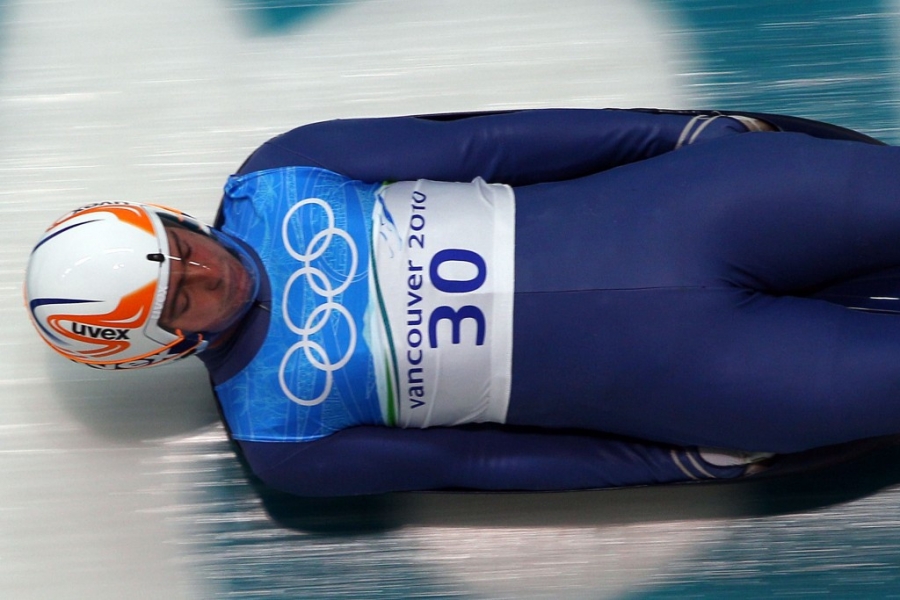
Nodar Kumaritashvili, a Georgian luger, gained international attention when he tragically passed away during a training run at the 2010 Winter Olympics in Vancouver. His death brought significant attention to the safety standards of winter sports, especially luge, and has continued to influence discussions on athlete safety to this day. The legacy of Kumaritashvili is not just a somber reminder of the risks associated with extreme sports, but also a catalyst for crucial reforms aimed at improving safety for athletes worldwide.
The Incident
On February 12, 2010, Kumaritashvili was involved in a fatal accident during a training session for the men’s luge event. He lost control on a curve and crashed into a steel support pole, resulting in his death. The tragedy shocked the sports community and led to immediate calls for action regarding the safety measures in place at the Whistler Sliding Centre, the Olympic venue.
Impact on Safety Standards
In the aftermath of Kumaritashvili’s death, the International Luge Federation (FIL) and the International Olympic Committee (IOC) took significant steps to reevaluate safety protocols surrounding luge events. Improvements included changes to track design, increased padding on vulnerable structures, and stricter training and monitoring practices for athletes. A key outcome was a heightened awareness of the need for comprehensive safety measures across all winter sports, impacting regulations and discussions around athlete safety globally.
Commemoration and Legacy
Kumaritashvili’s legacy is preserved through various memorial initiatives. In honor of his memory, competitions and events have been held to promote the importance of safety in sports. Additionally, discussions regarding athlete mental health, stress, and safety continue to gain traction, partly rooted in the conversation sparked by his death. His family and supporters have also continued to advocate for reforms within the sport.
Conclusion
The tragic death of Nodar Kumaritashvili serves as a profound reminder of the dangerous nature of winter sports and the need for continued vigilance regarding athlete safety. As sports organizations evolve and implement more stringent precautions, Kumaritashvili’s memory remains a guiding force in these discussions. Looking forward, the hope is that his legacy will not only spur improvements in safety standards but also foster a culture that prioritizes athlete well-being above all. The impact of his story ensures that such tragedies can be addressed, aiming for a safer future in winter sports.