Introduction
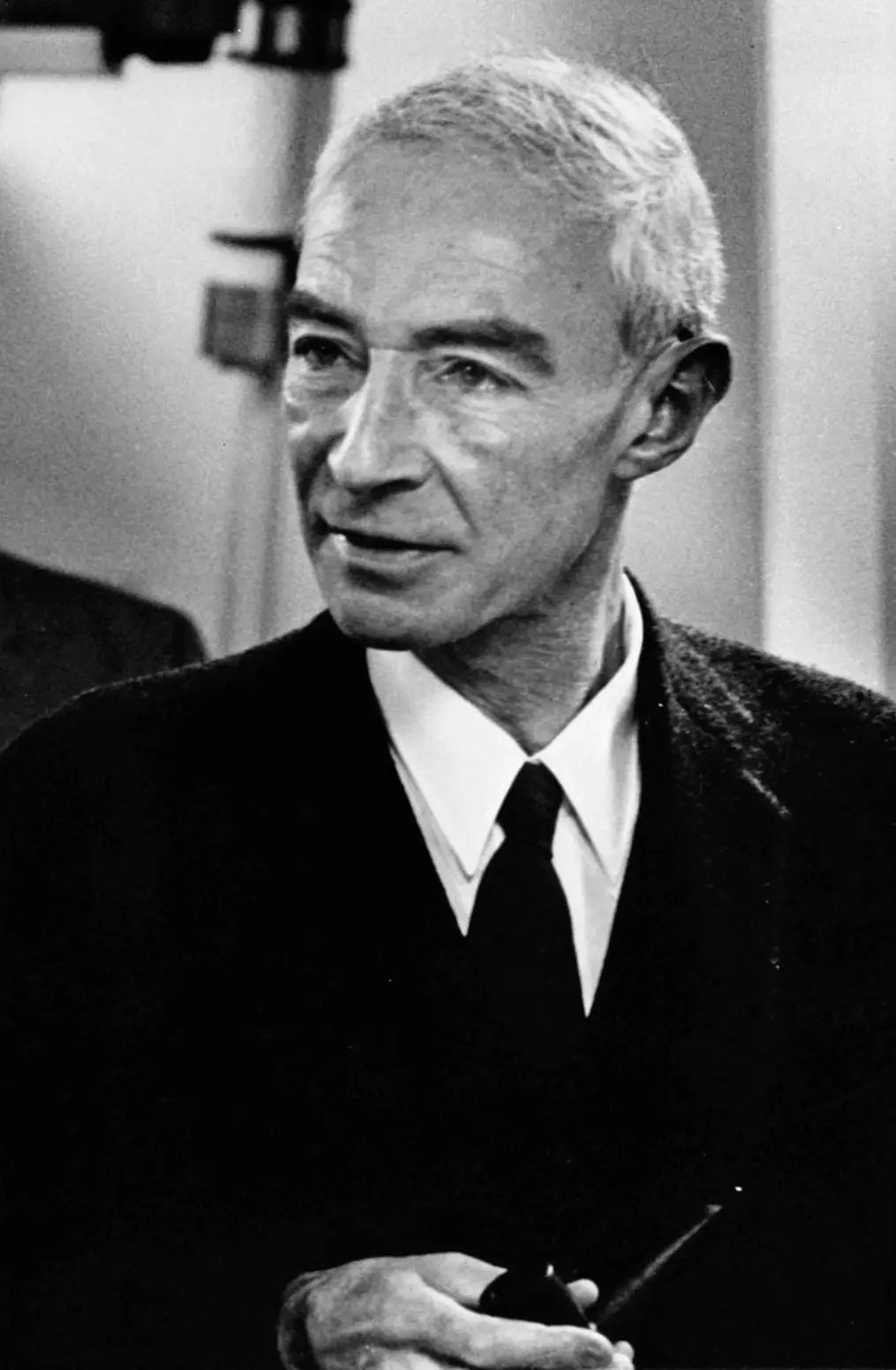
J. Robert Oppenheimer, often referred to as the “father of the atomic bomb,” played a pivotal role in the development of nuclear weapons during World War II. His contributions through the Manhattan Project not only transformed the fields of physics but also sparked ethical debates on nuclear warfare that are still relevant today. As tensions persist surrounding nuclear proliferation, understanding Oppenheimer’s life and legacy is crucial for grasping the complexities of modern science and international relations.
Who Was J. Robert Oppenheimer?
Born on April 22, 1904, in New York City, Oppenheimer showcased academic brilliance from an early age. He pursued studies in physics at Harvard University and later at the University of Göttingen, immersing himself in the world of quantum mechanics. By the late 1930s, he became a prominent figure in American physics, eventually being appointed as the scientific director of the Manhattan Project when the U.S. aimed to develop an atomic bomb before Nazi Germany could.
The Manhattan Project
Initiated in 1942, the Manhattan Project was a massive, secretive undertaking involving thousands of scientists and resources dedicated to nuclear research. Under Oppenheimer’s leadership, teams of engineers and physicists collaborated at Los Alamos, New Mexico. Their efforts culminated in the successful test of the first nuclear device, known as the “Trinity” test, on July 16, 1945. This marked a turning point in military technology and ushered in the atomic age.
Ethical Implications and Legacy
Following the bombings of Hiroshima and Nagasaki in August 1945, Oppenheimer’s perception of nuclear weapons shifted dramatically. He famously remarked, “Now I am become Death, the destroyer of worlds,” reflecting his profound internal conflict over the moral implications of his creation. In the post-war years, he advocated for international control of nuclear power and opposed the development of the hydrogen bomb, which put him at odds with many in the government and military.
Conclusion
The legacy of Oppenheimer remains a topic of extensive analysis and debate. His life embodies the duality of scientific progress—its potential to do both great good and immense harm. As the world grapples with the realities of nuclear weapons and their effects, the lessons drawn from Oppenheimer’s experiences continue to fuel discussions on ethical responsibilities in scientific advancements. Understanding Oppenheimer’s journey illuminates the intricate link between science, ethics, and global security, reminding us of the weight of such discoveries and the narratives that shape our world.