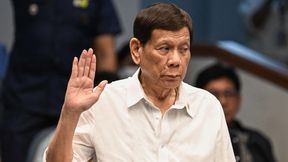
Introduction
Rodrigo Duterte, who served as the President of the Philippines from 2016 to 2022, has been a figure of immense influence and controversy in Philippine politics. His leadership style and controversial policies have not only shaped the socio-political landscape of the Philippines but have also garnered international attention. As discussions about his presidency continue to unfold, understanding Duterte’s impact is vital to grasping the current and future state of the nation.
Key Policies and Initiatives
Duterte’s presidency was characterized by his notorious war on drugs, which aimed to eradicate illegal drug trade in the Philippines. This campaign, while popular among many Filipinos, faced significant backlash due to human rights violations and extrajudicial killings, leading to condemnation from various human rights organizations and governments worldwide.
In addition to the war on drugs, Duterte also focused on infrastructure development through his “Build, Build, Build” program, which aimed to enhance the country’s infrastructure and stimulate economic growth. This initiative sought to address long-standing issues of inadequate public transport systems and urban congestion, marking a pivot towards modernization.
Furthermore, Duterte’s administration shifted the Philippines’ foreign policy focus, leaning closer to China while maintaining a complex relationship with the United States. His approach marked a significant shift in Philippine diplomacy, raising discussions on sovereignty, economic dependencies, and strategic alliances.
Controversies and Challenges
Duterte’s tenure was not without controversies. His brash rhetoric, often targeting journalists and critics, compounded already existing tensions within the political landscape. The COVID-19 pandemic posed significant challenges to his administration, revealing gaps in healthcare management and responses, leading to public frustration and demands for accountability.
Conclusion
Rodrigo Duterte’s presidency has undeniably left a profound imprint on the Philippines, shaping its policies, political rhetoric, and international relations. As he navigated a range of issues from drug policy to foreign relations, the effects of his leadership are still being felt today. Moving forward, the Philippines faces the challenge of reconciling the legacies of Duterte’s administration while addressing ongoing social and economic issues. The evolution of Philippine politics will depend significantly on how the nation builds upon the foundations laid during Duterte’s presidency, influencing future government strategies and societal improvement initiatives.