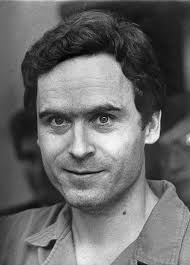
Introduction
Ted Bundy remains one of the most notorious serial killers in American history, captivating and horrifying the public since the 1970s. His heinous acts and charismatic demeanor have led to extensive media coverage, studies, and a cultural fascination with his life. Understanding Bundy’s background and crimes is essential to addressing issues of criminal psychology, the justice system, and public safety.
The Early Years
Ted Bundy was born on November 24, 1946, in Burlington, Vermont. He was raised by a single mother and had a tumultuous childhood, eventually moving to Washington State. Bundy’s early life was marked by significant upheaval, leading some experts to speculate about the connection between his upbringing and his future behavior. He attended college and later studied law at the University of Utah, where he became involved in politics—revealing a charming persona that captivated many.
Crimes and Conviction
Bundy’s killing spree began in 1974 and continued into the late 1970s, spanning several states, including Washington, Oregon, Utah, and Colorado. He is believed to have murdered at least 30 young women, often luring them with his charm and good looks. His method typically involved abduction, sexual assault, and murder, taking advantage of societal assumptions regarding his appeal. Bundy was finally apprehended in 1978 and was tried for multiple murders. His trials were televised, making him a spectacle in American media.
Psychology and Media Influence
The psychology behind Bundy’s actions has been a subject of academic interest for decades. Criminal psychologists often analyze his personality traits and motivations, attempting to uncover what drives a person to commit such atrocities. Bundy even participated in interviews, revealing a level of manipulation in how he presented himself and his crimes. The media’s portrayal of Bundy, especially during his trials, helped to cement his status as a cultural icon of evil.
Legacy and Cultural Impact
Ted Bundy was executed in the electric chair on January 24, 1989, but his legacy continues to influence crime documentaries, movies, and literature. This ongoing fascination speaks to our innate curiosity about the darker sides of human nature and the complexities of criminal behavior. In recent years, new documentaries and adaptations, such as Netflix’s “Extremely Wicked, Shockingly Evil and Vile,” have reinvigorated public interest in his story.
Conclusion
The story of Ted Bundy serves as a chilling reminder of the capacity for evil that exists within society. It raises important questions about mental health, societal responsibility, and the efficacy of the justice system in preventing and dealing with serial crimes. As ongoing discussions occur regarding criminal justice reform and public safety, understanding figures like Bundy remains crucial in recognizing and preventing future tragedies.