Introduction
Franklin Graham, a prominent evangelical Christian leader and president of the Billy Graham Evangelistic Association, has become a significant figure in American religious and political discourse. As the son of the late Billy Graham, Franklin has carried forward his father’s legacy while carving out his own polarizing identity that resonates with millions and challenges others. Understanding Franklin Graham’s influence is vital for grasping the current dynamics of American Christianity and its intersection with politics.
Recent Activities and Events
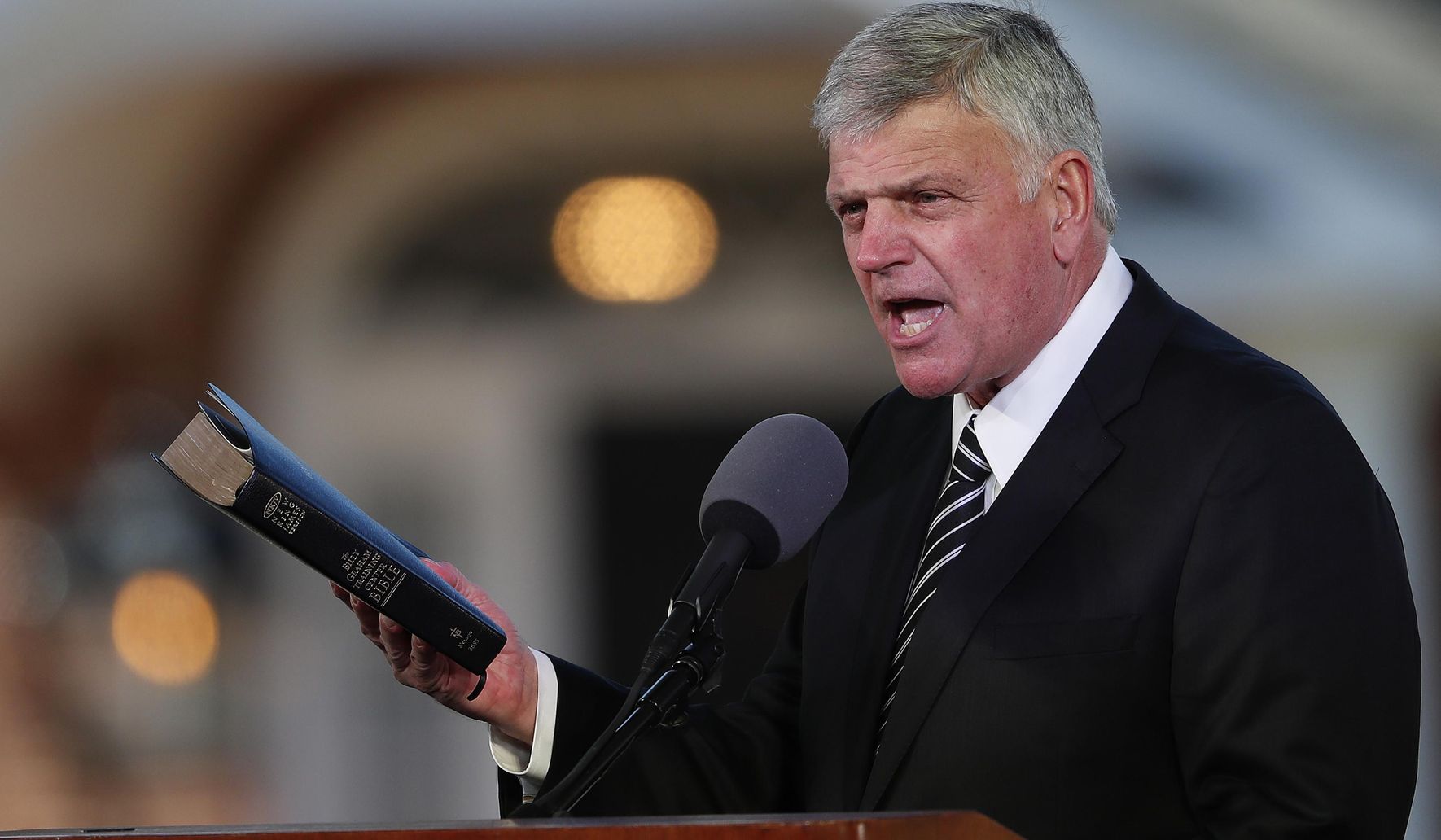
In recent months, Franklin Graham has remained active in various social and political issues. Notably, he has been outspoken regarding topics such as abortion, LGBTQ+ rights, and the COVID-19 pandemic. This summer, he organized a series of prayer events across multiple states, aiming to unite supporters in a call for national healing and a return to Christian values. These events drew a diverse crowd of believers, showcasing Franklin’s ability to mobilize individuals across a spectrum of Christian denominations.
Moreover, his remarks about the 2024 presidential election have garnered significant attention, with many considering him a key Christian voice endorsing candidates who align with traditional conservative values. His advocacy for religious freedom and criticism of what he perceives as threats to Christianity in America resonate deeply with his followers.
Controversies Surrounding His Views
Despite his popularity among certain groups, Franklin Graham has faced considerable backlash for his views. Critics argue that his statements on social issues often promote division rather than unity within the Christian community. For instance, during the ongoing debates surrounding LGBTQ+ rights, his comments have sparked protests from LGBTQ+ advocates and allies, who contend that his messages contribute to a climate of intolerance.
Moreover, his allegiance to political figures has raised questions about the role of evangelicals in contemporary politics. While many supporters believe that Franklin’s engagement in political matters reflects a commitment to social justice from a Christian standpoint, detractors caution against the blending of faith and politics that could alienate those who do not align with his views.
Conclusion
Franklin Graham remains a pivotal figure in shaping discussions about faith and politics in America. His ability to draw large crowds and influence political dialogues highlights the complex tapestry of modern evangelicalism. As the country heads toward the next presidential election, Graham’s actions and statements will likely continue to evoke fervent discussions about the future of religious influence in American society. Observers from both sides of the spectrum will be keenly watching how Franklin Graham navigates these waters, as they recognize his significant impact on the present and future landscape of Christian thought and engagement.