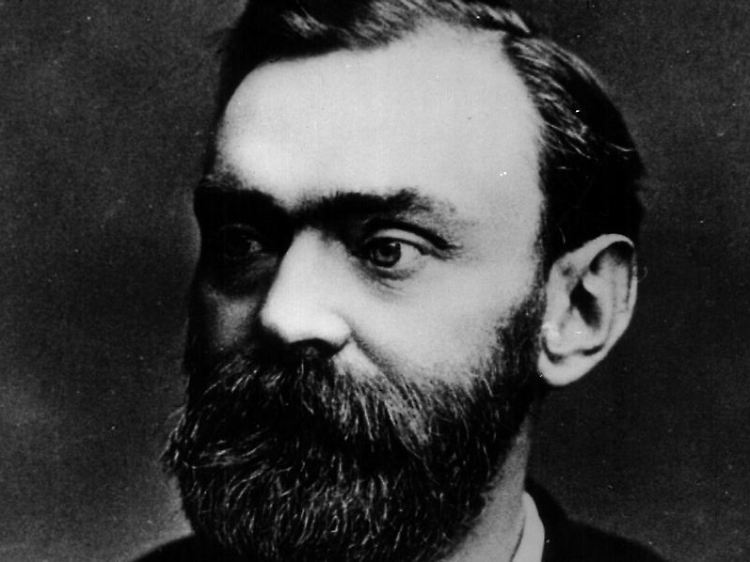
Introduction
Alfred Nobel, a name synonymous with innovation and peace, is famously known as the founder of the Nobel Prizes, a series of prestigious awards recognizing outstanding contributions in various fields. His life and work continue to have a significant impact on society, inspiring countless individuals to pursue excellence and strive for advancements in science, literature, and humanitarian efforts. In an era where public recognition of such achievements is crucial, Nobel’s legacy becomes ever more relevant.
The Life of Alfred Nobel
Born on October 21, 1833, in Stockholm, Sweden, Alfred Nobel was the third son of Immanuel Nobel, an inventor, and engineer. His early introductions to explosives through his father’s work paved the way for his later invention of dynamite in 1867—a breakthrough that revolutionized construction and mining industries worldwide. Despite his success, Nobel was deeply concerned about the destructive potential of his inventions.
Creation of the Nobel Prizes
In his will, written in 1895, Nobel stipulated that much of his fortune should be allocated to establishing the Nobel Prizes. He expressed a desire to reward those who contribute significantly to humanity, either through advancements in science and literature or efforts towards world peace. The first Nobel Prizes were awarded in 1901, and since then, they have become a global benchmark for achievement across various disciplines.
Nobel’s Influence Today
Today, the Nobel Prizes continue to inspire generations of scholars, writers, and peace activists. The awards highlight critical issues such as climate change, social injustice, and technological advancements, promoting awareness and providing funding for further research and exploration. The bold vision that Nobel held about recognizing humanitarian efforts remains a guiding principle in a world that faces various global challenges.
Conclusion
Alfred Nobel’s life story is a reminder of the dualities of human invention and intent. His desire to create a better world through the recognition of significant achievements is particularly relevant as we navigate contemporary issues that demand innovative solutions and collaborative efforts. Dr. Martin Luther King Jr., one of the Nobel Peace Prize laureates, once stated, “Our lives begin to end the day we become silent about things that matter.” This aligns seamlessly with Nobel’s mission, emphasizing the ongoing significance of his legacy in our quest for progress and peace.