Introduction
Drew Struzan is a name synonymous with the art of movie posters. His unique ability to capture the essence of films through evocative imagery has secured his place in cinematic history. Struzan’s work is not just about attracting viewers; it tells a story, setting the tone for what audiences can expect. As we continue to see a resurgence in nostalgia for vintage films, Struzan’s artistry remains relevant, reminding us of the golden era of cinema.
Career Beginnings
Born on March 18, 1947, in Oregon, Drew Struzan showed an early interest in art. He further honed his skills at the Art Center College of Design in Pasadena. Struzan’s professional career took off when he began designing album covers in the 1970s. His seamless transition into film poster art began with work for George Lucas’s Star Wars, which significantly influenced his future collaborations.
Iconic Works
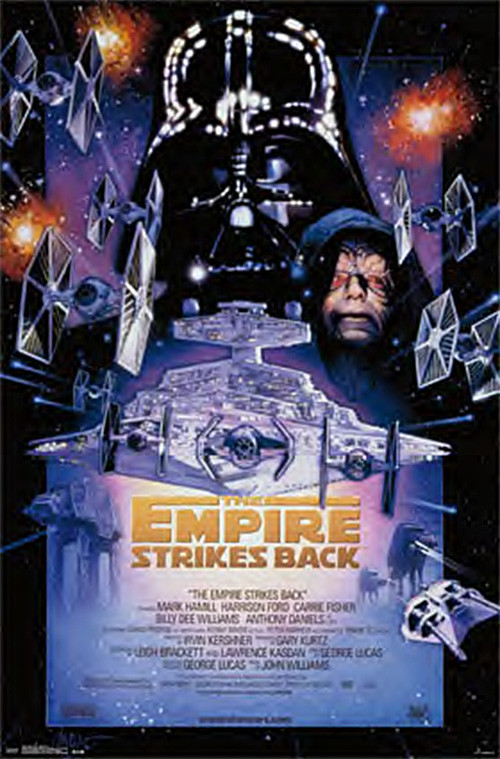
Struzan’s portfolio boasts an impressive lineup of iconic movie posters, including Indiana Jones, Back to the Future, and the final Star Wars trilogy. His work is characterized by a blend of realism and fantasy, achieved through meticulous hand-painted techniques unlike the digitally designed posters that predominated the early 21st century. Fans recognize his style instantly, which has made his prints highly sought-after.
Recent Developments
In recent years, Struzan has seen a resurgence in popularity, particularly among collectors and enthusiasts of classic cinema. His artwork was featured in multiple retrospectives, including the acclaimed exhibit at the Academy of Motion Picture Arts and Sciences. Moreover, fans and filmmakers alike continue to reach out to Struzan, seeking his artistic contribution to upcoming projects, highlighting the timelessness of his legacy.
Conclusion
Drew Struzan stands as a giant in the realm of visual storytelling, with a lasting impact on how films are marketed and perceived. His ability to combine art with narrative has paved the way for future generations of artists. As the film industry continues to evolve, Struzan’s work serves as a reminder of the power of traditional artistry in an increasingly digital world. Going forward, the film industry may look to Struzan’s legacy as it grapples with the balance between the nostalgic past and a rapidly changing future.