Introduction
George Best remains a towering figure in the world of football, celebrated not only for his extraordinary talent on the pitch but also for his larger-than-life persona off it. Best’s impact on the sport continues to resonate decades after his passing, making discussions about his legacy particularly relevant today. His journey through challenges, triumphs, and personal battles provides a compelling narrative that captivates football fans worldwide.
Early Life and Career
Born on May 22, 1946, in Belfast, Northern Ireland, George Best displayed remarkable talent from a young age. He joined Manchester United at just 15, turning professional in 1963. Under the guidance of legendary manager Sir Matt Busby, Best rose to stardom, becoming a critical player for the Red Devils. His playing style—a combination of exceptional dribbling, speed, and creativity—set him apart, earning him the famous title of “the fifth Beatle” due to his charisma and magnetism on and off the field.
Achievements and Challenges
Best’s career peak came in the late 1960s, most notably during the 1967-1968 season when he helped Manchester United secure their first European Cup title. Recognized for his brilliance, he won the Ballon d’Or in 1968, solidifying his status among football’s elite. However, despite these successes, Best struggled with personal issues, particularly alcoholism, which ultimately impacted both his career and personal life. His struggles with addiction and relationships brought attention to the darker sides of fame in sports.
Enduring Legacy
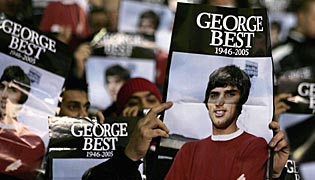
Despite his challenges, George Best’s legacy as one of the greatest players in football history remains intact. His style of play continues to inspire a new generation of footballers, and he is remembered not just for his skills but also for his flamboyant lifestyle and commitment to charity work later in his life. Best passed away on November 25, 2005, from complications related to his alcohol abuse, but he left behind an indelible mark on the sport and its culture.
Conclusion
As football continues to evolve, the stories of legendary players like George Best serve as a reminder of the human side of sports. His contributions to Manchester United and football as a whole are timeless, and they resonate with both old and new fans alike. Understanding Best’s legacy helps current and future generations appreciate the complexities of athletes’ lives, both in their triumphs and challenges. As we continue to honor his memory, George Best remains an unwavering symbol of talent, charisma, and the impact of personal struggles in a public life.