Introduction
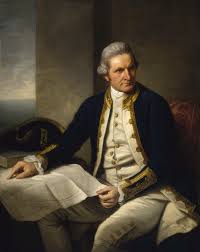
James Cook, a British explorer, navigator, and cartographer, is celebrated for his pivotal role in mapping the Pacific Ocean and discovering new lands during the 18th century. His voyages contributed significantly to European knowledge of the Pacific region, leading to extensive exploration and ultimately to the colonization of various territories. Understanding Cook’s contributions provides essential insights into maritime exploration and the interconnected histories of the indigenous populations he encountered.
Early Life and Career
Born on October 27, 1728, in Marton, England, James Cook grew up in a working-class family. He started his career in the seafaring industry, initially working on merchant ships and later developing his skills in navigation and cartography. During the Seven Years’ War, Cook served the British Royal Navy, where he gained valuable experience that would serve him well in his future expeditions.
Main Voyages and Discoveries
Cook embarked on three significant voyages between 1768 and 1779, with each trip unveiling various territories and expanding European knowledge of the Pacific. The first voyage (1768-1771) was marked by the scientific observation of the transit of Venus and the discovery of New Zealand and the eastern coast of Australia. His meticulous charts facilitated safe navigation and opened new routes for trade and colonization.
The second voyage (1772-1775) aimed to search for the legendary southern continent, Terra Australis. During this journey, Cook circumnavigated the globe at high latitudes and reached the Antarctic Circle—an unprecedented feat at the time.
Cook’s third voyage (1776-1779) sought a Northwest Passage through North America. This trek included significant interactions with various Native American tribes and the exploration of Hawaii, where Cook met his demise in 1779 following a series of confrontations with the local population. His death marked a tragic end to a remarkable life and was a pivotal moment for European exploration in the Pacific.
Legacy and Significance
James Cook’s voyages laid the foundation for future explorers, scientists, and settlers. His detailed maps were critical for subsequent maritime navigation and trade developments. Moreover, his encounters with indigenous peoples led to vast cultural exchanges but also initiated challenging and often harmful colonial relationships.
Today, Cook is remembered not only for his contributions to exploration but also as a figure embodying the complexities of colonial history. His legacy prompts important discussions about the ethics of exploration and the impact on the communities encountered during these expeditions.
Conclusion
James Cook’s life and voyages remain relevant today, as they shed light on the era of exploration and its lasting impacts worldwide. Understanding his legacy encourages continued exploration and reflection on the consequences of imperial expansion and cultural encounters. As we navigate the complexities of global history, Cook’s story serves as a reminder of the intersection of discovery, diversity, and the enduring human spirit.