Introduction
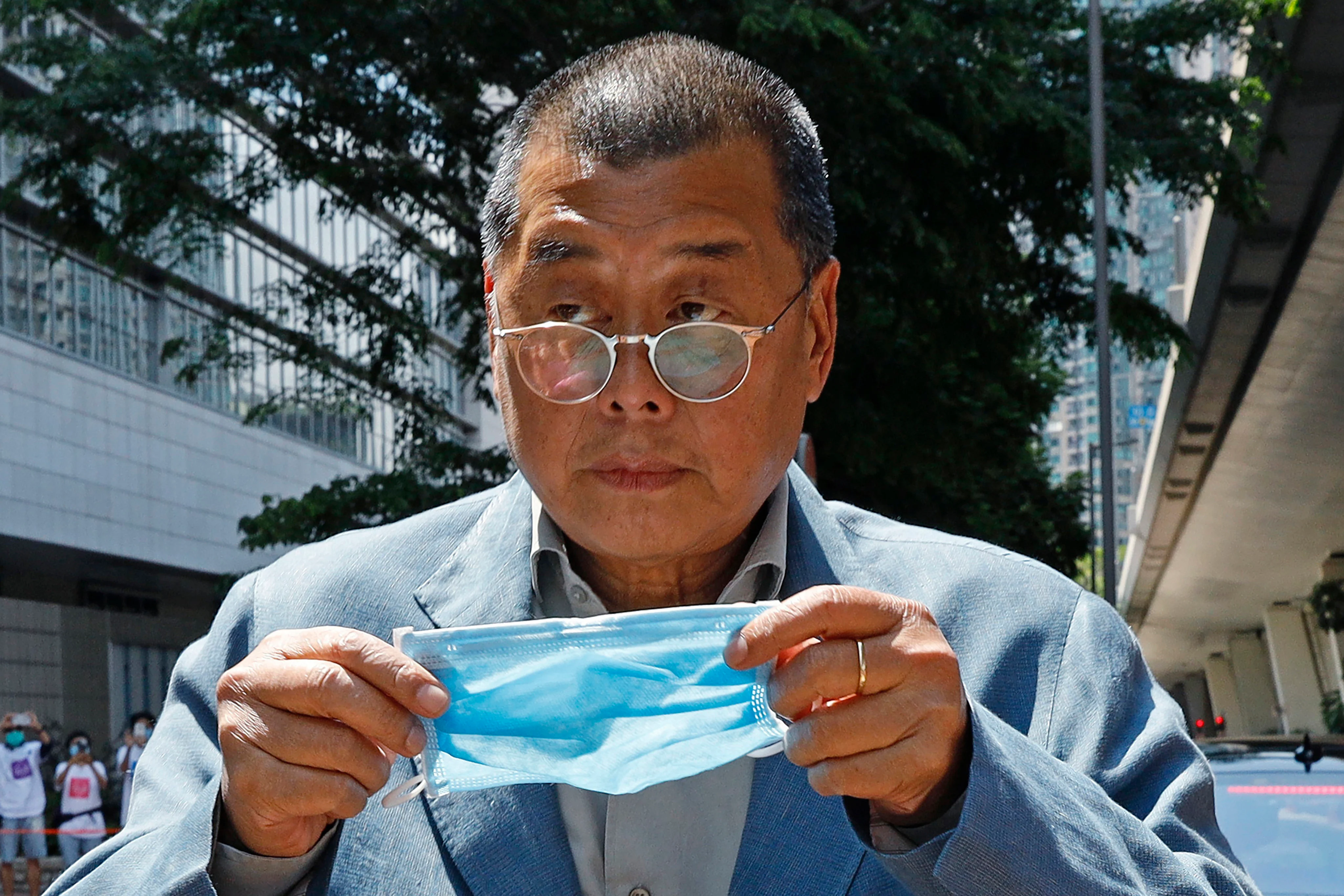
Jimmy Lai, a prominent media mogul and pro-democracy activist in Hong Kong, has become an emblematic figure in the struggle for political freedom in the region. His journey from a textile worker to the founder of a major media company highlights the transformative power of the press and the crucial role it plays in advocating for democracy. As Hong Kong faces unprecedented political challenges, Lai’s story underscores the importance of standing firm for civil liberties and freedom of expression.
Background and Career
Born in 1947 in Guangdong, China, Lai immigrated to Hong Kong in his teenage years. He initially worked in the textile industry before venturing into the media sector in the 1990s. He founded Next Media, which owns the widely-read tabloid Apple Daily. Under Lai’s leadership, the publication became known for its outspoken criticism of the Chinese government and advocacy for democratic principles. Throughout the years, Lai has faced numerous legal challenges and threats against his business, further solidifying his role as a key pro-democracy figure.
Political Advocacy and Arrest
Jimmy Lai’s outspoken views on mainland China’s influence in Hong Kong put him at the forefront of the pro-democracy movement. His involvement in the Umbrella Movement of 2014 and the later protests in 2019 amplified his visibility and leadership in advocating for greater autonomy and freedoms. In August 2020, Lai was arrested under the National Security Law imposed by Beijing, and since then, he has been a symbol of resistance against oppressive measures aimed at curtailing dissent in Hong Kong.
Current Situation and Implications
As of October 2023, Jimmy Lai remains imprisoned amid ongoing legal proceedings. His case has drawn international attention, raising concerns regarding human rights violations and the suppression of free press in Hong Kong. Many human rights organizations and world leaders have called for his release, signaling a broader call for the restoration of civil liberties in the region. Furthermore, Lai’s situation exemplifies the struggles faced by journalists and activists globally who dare to speak against authoritarian regimes.
Conclusion
The story of Jimmy Lai is not just about one man; it reflects a pivotal moment in Hong Kong’s history as it grapples with issues of autonomy, freedom, and human rights. As developments surrounding Lai continue to unfold, they will likely influence the trajectory of political activism in the region. His resilience serves as a reminder of the profound impact that individuals can have in the fight for democracy and the enduring struggle for a free press. The world watches as his case unfolds, hoping for a brighter future for Hong Kong and its people.