Introduction
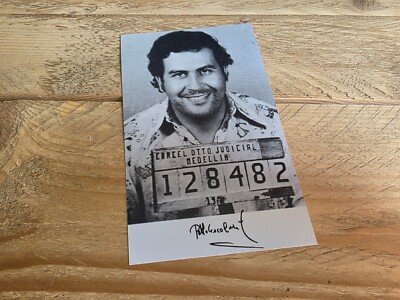
Pablo Escobar, often referred to as the ‘King of Cocaine’, is one of the most infamous figures in modern history. His impact on illegal drug trade and the socio-political landscape of Colombia during the 1980s and early 1990s is undeniable. As the leader of the Medellín Cartel, Escobar became one of the richest men in the world, driven by his extensive cocaine empire. Understanding Escobar’s life offers insights into the challenges of narcotics and crime that persist today.
The Rise of Pablo Escobar
Born on December 1, 1949, in Rionegro, Colombia, Escobar’s early life was marked by humble beginnings. He eventually entered the world of crime with small-time thefts before graduating to the more lucrative cocaine trade in the late 1970s. By the early ’80s, he had established the Medellín Cartel, which would control more than 80% of the cocaine trafficked into the United States at its peak.
Escobar’s Influence and Wealth
Escobar’s wealth soared into the billions, allowing him to wield enormous power both in the criminal underworld and among local communities in Colombia. He was known for his philanthropic ventures, building housing for the poor, sports facilities, and even soccer fields. This earned him a significant level of popularity among the lower classes, which he used to his advantage. However, his reign was also marked by the violence of the drug trade, including assassinations, bombings, and bribery involving government officials.
The Fall of Pablo Escobar
Escobar’s downfall began in the early 1990s due to mounting pressure from the Colombian government and the United States, leading to a full-throttle assault on his operations. After escaping from a luxury prison in July 1992, it took nearly two years for law enforcement to locate and kill Escobar on December 2, 1993, in Medellín. His death marked a turning point in the Colombian drug war, but the effects of his cartel would linger for years to come.
Conclusion
Pablo Escobar’s story is one of ambition, power, violence, and tragedy. His life illustrates the profound challenges that Colombia faced during the Drug War, which continue to have shadows felt in modern drug trafficking. As narcotics trade remains a global issue, the legacy of Escobar serves as a warning of the potential consequences of unchecked power and the pervasive impact of organized crime. Understanding his life is vital to grasping the complexities of drug policy and law enforcement efforts both in Colombia and worldwide.