Introduction
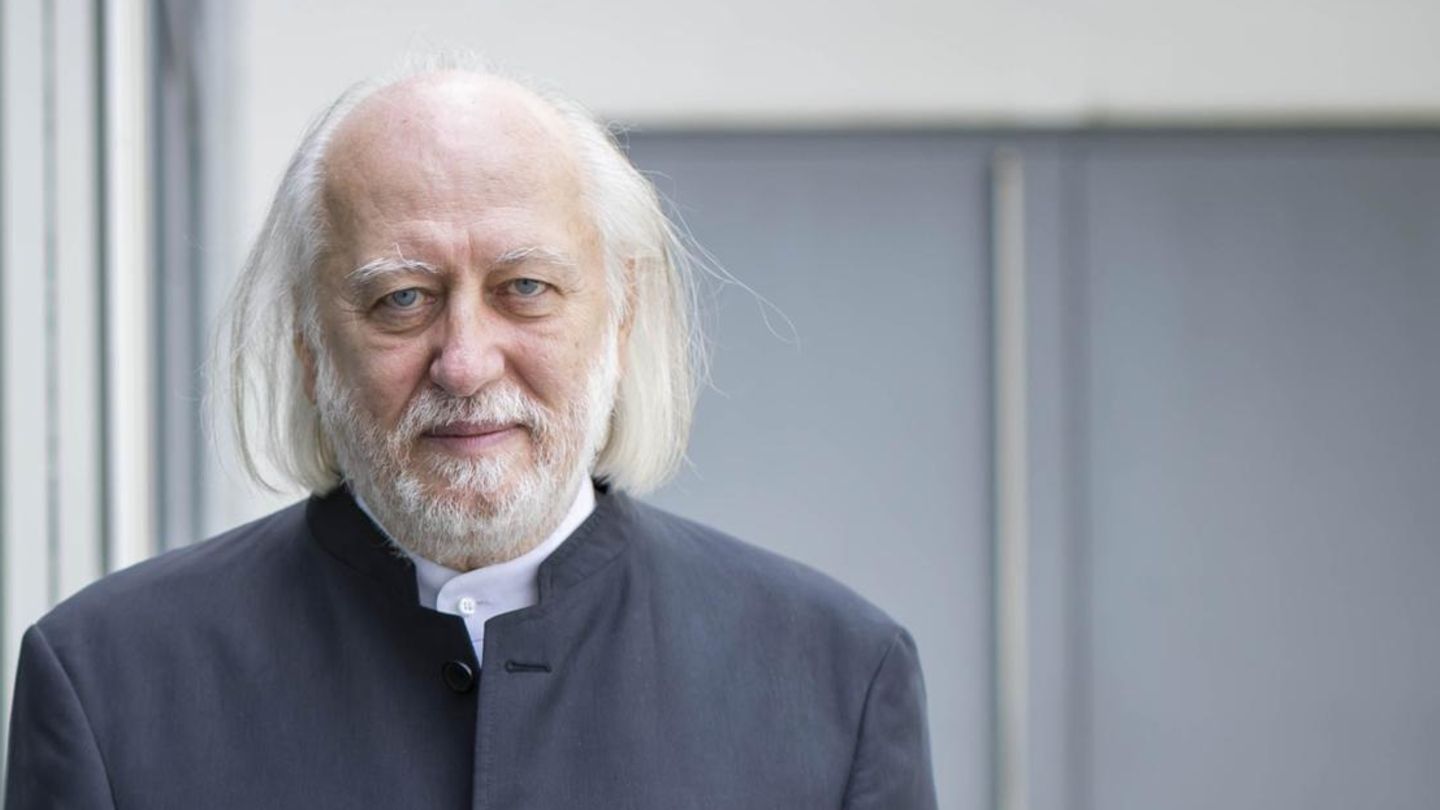
Laszlo Krasznahorkai, a pivotal figure in contemporary literature, has garnered international acclaim for his distinct narrative style and profound themes. His exploration of existential dread and the human condition resonates powerfully in today’s literary landscape, making him an essential study for literature enthusiasts and scholars alike.
A Literary Legend
Born in 1954 in Gyula, Hungary, Krasznahorkai began his literary career in the 1980s, rising to prominence with his debut novel, ‘Satan’s Tango’. This work, renowned for its long, flowing sentences and intricate plot structure, effectively established his signature style, which often intertwines philosophy, folklore, and the stark realities of life.
Krasznahorkai’s innovative use of language and form is evident in his later works, including ‘The Melancholy of Resistance’ and ‘Seiobo There Below’. These novels delve deep into the lives of his characters, exploring themes of despair, meaning, and the search for beauty amidst chaos. His collaborations with the acclaimed filmmaker Béla Tarr further solidify his status in the arts, as their joint project ‘Satantango’ brought his narrative brilliance to the screen in 1994.
Recent Achievements
In recent years, Krasznahorkai’s works have continued to receive critical acclaim. His novel ‘Baron Wenckheim’s Homecoming,’ published in 2016, was shortlisted for the International IMPAC Dublin Literary Award, showcasing his enduring relevance in contemporary literature. In 2020, he was awarded the prestigious Goethe Medal, recognizing his contributions to literature and translating Hungarian cultural heritage into the global literary arena.
His works are characterized by not only their intricate narratives but also their lyrical quality, which captivates readers. Krasznahorkai’s prose requires a committed readership, as he weaves dense philosophical inquiries within the fabric of storytelling.
Conclusion
Laszlo Krasznahorkai remains a literary force whose works challenge and inspire. His exploration of complex human emotions and existential questions ensures that he will remain a subject of study and admiration in literary circles for years to come. As readers seek deeper meanings in an ever-complicated world, Krasznahorkai’s work invites them on a journey through the nuances of life, encouraging new perspectives and reflections.