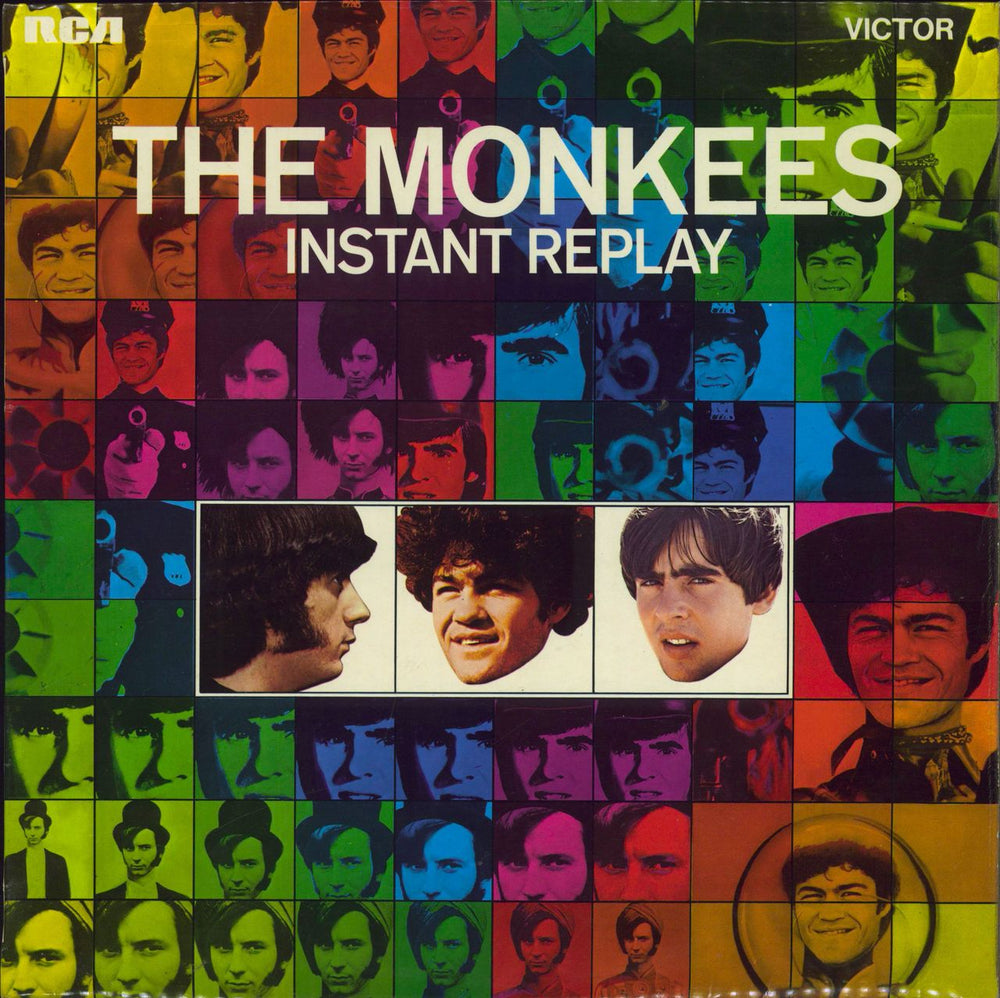
Introduction: The Cultural Phenomenon of The Monkees
The Monkees, an American rock band formed in 1966, remain a significant cultural icon today, reflecting the vibrant musical landscape of the 60s. Their blend of catchy pop melodies, comedic television presence, and innovation in the music industry not only defined a generation but also influenced countless artists and bands that followed. The revival of interest in The Monkees’ work emphasizes their enduring legacy and the nostalgia associated with their unique contribution to pop culture.
The Formation and Early Success
The Monkees were created for a television series aimed at capturing the youthful spirit of the times, inspired by the success of The Beatles’ films. The band consisted of Micky Dolenz, Davy Jones, Michael Nesmith, and Peter Tork. Their show debuted on NBC in September 1966, quickly becoming a sensation. The Monkees were designed to be a fabricated band, with studio musicians often handling the backing tracks; however, as their popularity grew, they began to assert more creative control over their music.
Within two years, The Monkees released a series of chart-topping hits, including “Last Train to Clarksville,” “Daydream Believer,” and “I’m a Believer.” Their debut album, “The Monkees,” reached number one on the Billboard charts and marked the beginning of a booming career. The television show not only showcased their music but also displayed a comedic and often self-referential style that attracted viewers.
Challenges and Evolution
Despite their early success, the Monkees faced criticism for being a manufactured band. This led to a tension between the members and the producers, leading to a pivotal moment when they started to write and perform their own music. By the late 1960s, they began to distance themselves from the television show and pushed for artistic growth. Their album, “Headquarters,” released in 1967, featured a more mature sound that showcased their songwriting talents.
The Legacy of The Monkees
The Monkees’ show continued to garner a dedicated fan base even after its cancellation in 1968. They experienced several reunions and tours over the decades, further solidifying their place in music history. The resurgence of interest in 1986, with the re-runs of their show and albums being released on CD, introduced The Monkees to a new generation.
Conclusion: The Enduring Impact of The Monkees
As we look back at The Monkees, it’s clear that their impact on the music and television industries is undeniable. With their catchy tunes, relatable personas, and innovative approach to their career, they paved the way for future artists to experiment with media and music styles. The Monkees remain an essential part of pop culture, reminding us of the creativity and joy that defined the 1960s. As new generations discover their music, The Monkees’ legacy continues to resonate, proving that great art knows no bounds.