Introduction
The Mojave Desert, one of North America’s most fascinating arid regions, spans parts of California, Nevada, Utah, and Arizona. Covering over 25,000 square miles, it is the driest desert in the United States, yet it is home to a rich array of biodiversity, unique geological formations, and cultural history. Understanding the importance of the Mojave Desert not only highlights its natural beauty but also raises awareness of the environmental challenges it faces.
Geography and Climate
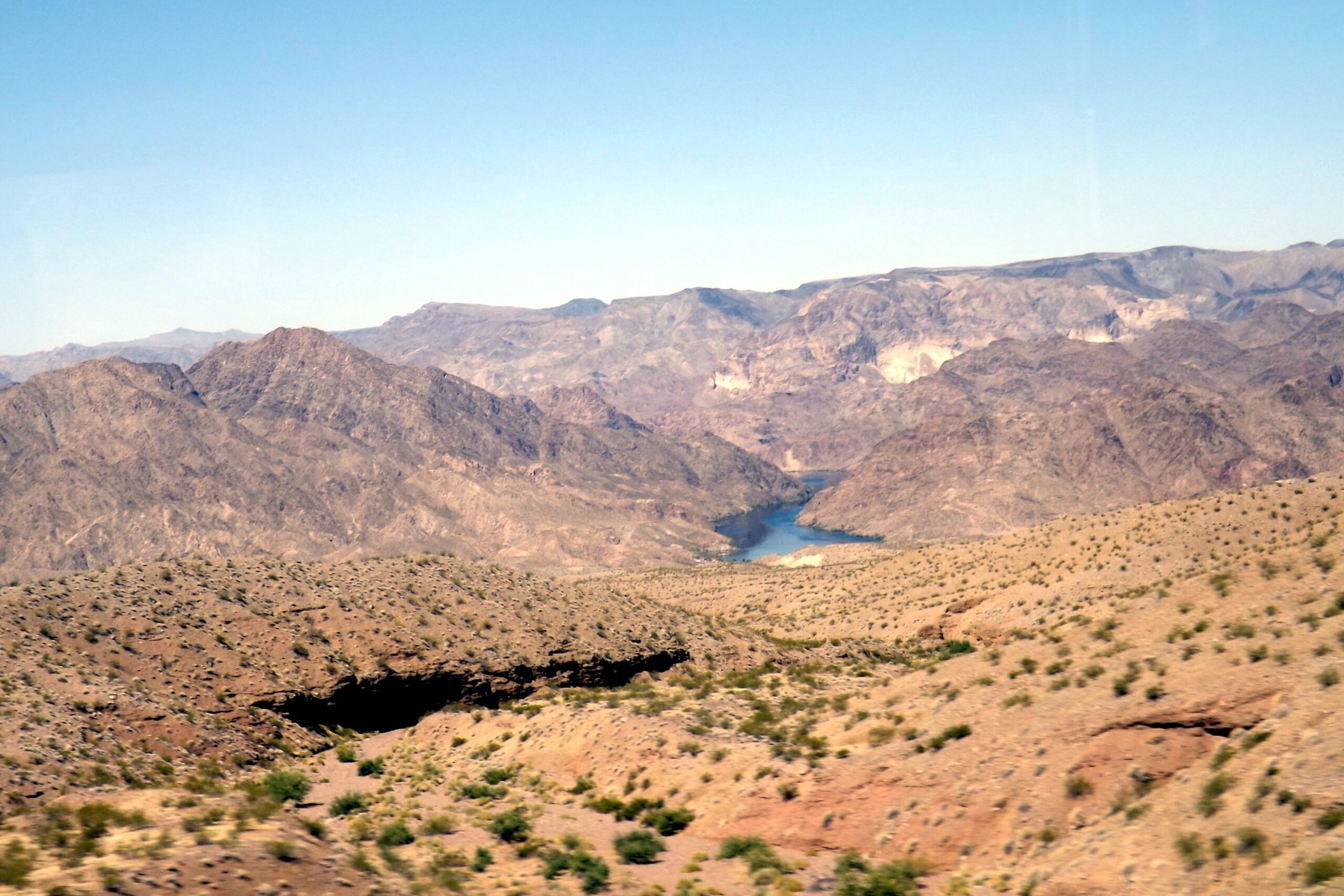
The Mojave Desert’s geography is characterized by its vast stretches of dunes, rugged mountains, and unique rock formations. Temperatures can soar in the summer months, often exceeding 120°F, while winter can bring chilly temperatures, occasionally dropping below freezing at night. Rainfall is sparse, averaging around 3 to 5 inches annually, making it crucial for native plants and animals to adapt to such harsh conditions. Places like Death Valley, known as the hottest and driest area, draw attention for their extreme climate.
Biodiversity
Despite its seemingly inhospitable environment, the Mojave Desert is home to an astonishing variety of flora and fauna. Iconic species like the Joshua tree, creosote bush, and various types of cacti thrive here. Wildlife such as desert tortoises, bobcats, and a multitude of bird species showcase the desert’s rich biodiversity. The Mojave’s unique ecosystem plays a vital role in ecological research, helping scientists understand resilience and survival in extreme conditions.
Cultural Significance
The Mojave Desert is steeped in cultural significance, with a history that predates European settlement. It has been home to Native American tribes for thousands of years, who cultivated a deep connection to the land. Today, the desert continues to be a site for cultural celebrations and traditions, reflecting the ongoing relationship between its Indigenous inhabitants and the environment.
Challenges and Conservation
As beauty and wonder permeate the Mojave Desert, it also faces significant threats from climate change, urban development, and resource extraction. Conservation efforts have become vital to protect its delicate ecosystems. Organizations are working diligently to raise awareness and implement programs aimed at sustaining the desert’s unique attributes while promoting responsible tourism that respects the landscape.
Conclusion
The Mojave Desert remains a captivating landscape that offers a glimpse into the resilience of nature amidst adversity. As we move forward, nurturing this beautiful desert is essential not only for its ecological richness but also for the educational and cultural insights it provides. By fostering a greater appreciation of the Mojave Desert, we can contribute to its conservation and ensure that its wonders continue to be a source of inspiration for generations to come.