Introduction to Havana Syndrome
Havana Syndrome refers to a set of medical symptoms reported by American and Canadian diplomats, intelligence officers, and their families in Cuba, dating back to late 2016. The term has since expanded to include similar cases reported in various locations around the globe, including China and Russia. Its relevance today lies in potential implications for national security, diplomatic relations, and the health of individuals exposed to unknown factors affecting their health.
Symptoms and Initial Reports
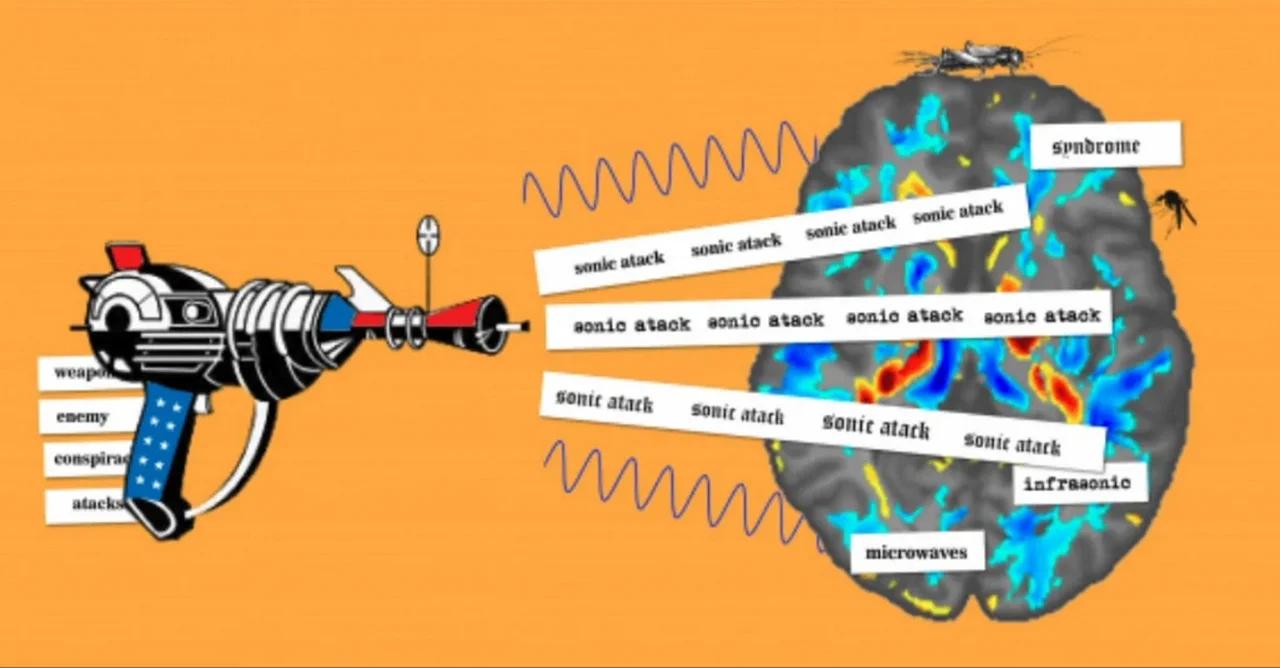
Individuals affected by Havana Syndrome have reported a range of symptoms, including severe headaches, dizziness, tinnitus, visual and auditory disturbances, and cognitive difficulties. Some victims have also described feeling a sensation akin to being struck by a high-frequency sound or pressure wave. Initial reports from Havana led medical professionals to suspect a possible sonic attack or exposure to a neurotoxin, though conclusive evidence has remained elusive.
Investigative Efforts and Scientific Perspectives
In the years since the syndrome came to light, multiple investigations have sought to determine the cause and validate the experiences of affected individuals. The U.S. government has pointed to the need for further research, with the National Academy of Sciences conducting studies. As of recently, some scientists have suggested that directed energy attacks using microwave technology could be a possible explanation for the symptoms experienced by victims. However, skeptics argue that the nature of the symptoms could be a result of mass psychogenic illness, taking into account the stressful environments that diplomats often navigate.
Recent Developments
Most recently, more than 1,000 cases of unexplained health incidents related to Havana Syndrome have been reported, affecting diplomats and their families stationed worldwide. The Biden administration has implemented measures to improve healthcare protocols for affected individuals, including expanded access to treatment and resources. Additionally, as investigations continue, Congressional hearings have been held to address the health and safety of diplomatic personnel, and to consider the implications for future U.S. foreign relations.
Conclusion and Future Prospects
As the phenomenon of Havana Syndrome remains the subject of ongoing research and debate, its significance continues to resonate across national and international landscapes. The potential for unknown risks faced by diplomats urges a need for heightened awareness and precautionary measures. Moving forward, achieving clarity on the causes of Havana Syndrome may not only provide answers for those affected but could also reshape diplomatic policies to better protect personnel and maintain trust in international relations.