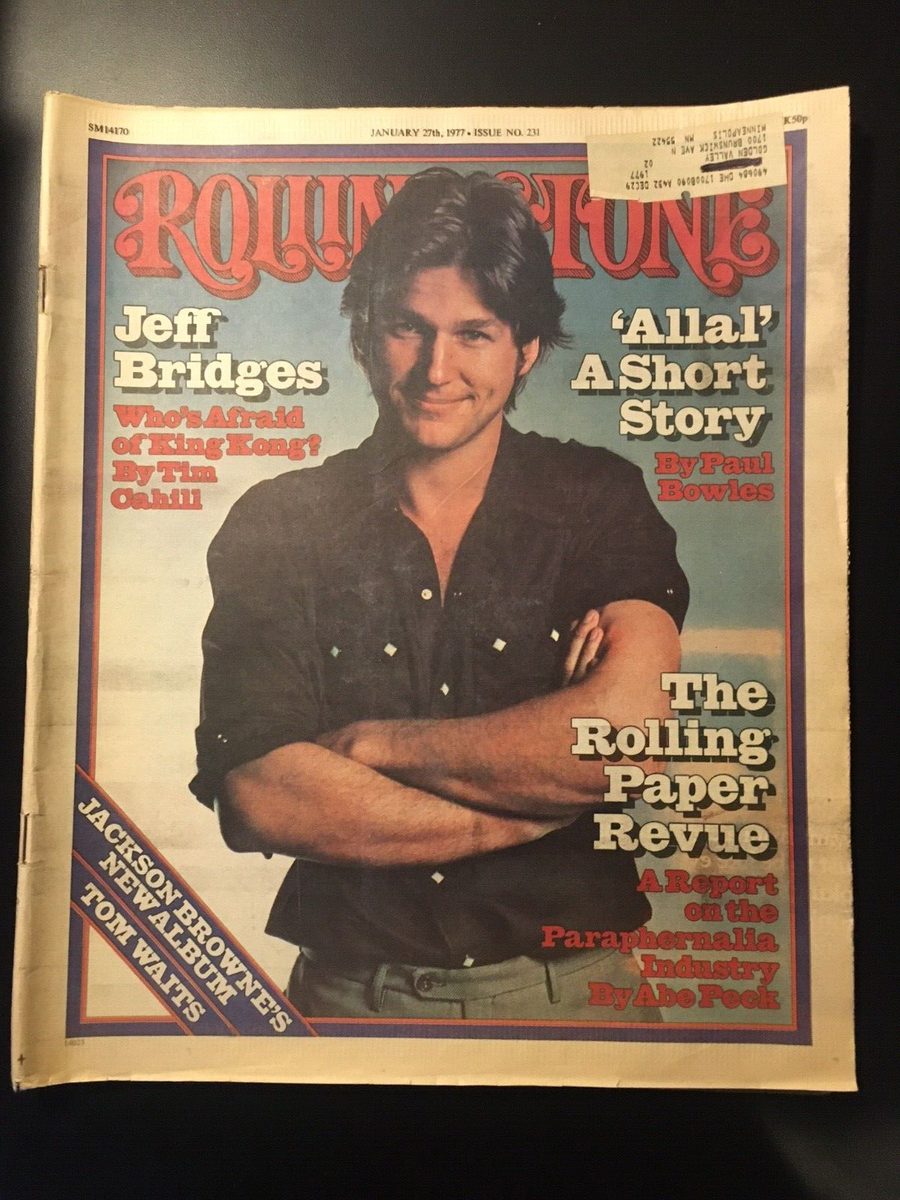
Introduction
Rolling Stone magazine has been a defining voice in music journalism since its inception in 1967. Known for its deep dive into popular culture, the magazine has shaped the way we understand music, politics, and cultural trends in America. As it celebrates over five decades of existence, the relevance of Rolling Stone in today’s digital era remains significant, reflecting the evolving landscape of music journalism and criticism.
The Legacy of Rolling Stone
Founded by Jan Wenner, Rolling Stone originally focused heavily on music but quickly expanded to cover broader cultural subjects, including politics, film, and social justice. The magazine has featured influential artists over the years, such as Bob Dylan, The Beatles, and more recently, Billie Eilish and Lizzo, maintaining its status as a barometer for contemporary music trends and cultural shifts.
Rolling Stone has also been at the forefront of notable journalism, producing iconic cover stories that have commented on the social and political landscape of their times. From Hunter S. Thompson’s Gonzo journalism to in-depth profiles of musicians and cultural icons, the magazine’s investigative reporting has earned it a spot in history as a critical platform for discourse.
Current Developments
In recent years, Rolling Stone has embraced digital transformation with a robust online presence. The website features timely news, live event coverage, and social media engagement, capturing a younger audience while keeping its loyal readers informed. The magazine also hosts podcasts and video content that further enhance its reach and adaptability in a streaming-first world.
Furthermore, Rolling Stone has made strides toward incorporating diverse voices, expanding its coverage to include marginalized communities and issues often overlooked in mainstream media. This strategic shift reflects a growing acknowledgment of the importance of inclusivity in the music industry and journalism.
Conclusion
As Rolling Stone continues to navigate the challenges of the digital age, its significance in music and culture remains pronounced. The magazine is not just a publication but a cultural institution that archives and critiques music history while championing emerging talents. Looking forward, Rolling Stone’s ability to adapt will determine its future influence, but its legacy as a pioneering magazine in the world of music journalism is firmly established.