Introduction
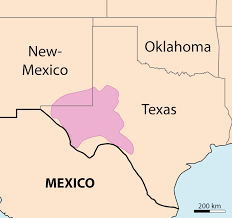
The Permian Basin, spanning parts of New Mexico and Texas, stands as a critical pillar in the U.S. energy landscape. Known for its immense oil and gas reserves, the basin has been pivotal in boosting American energy production in the last decade. As domestic energy demands grow and the global energy landscape transforms, understanding the importance of the Permian Basin is essential for grasping the future of energy sustainability and security in the United States.
The Significance of the Permian Basin
The Permian Basin is recognized as one of the most productive oil regions in the world, with the U.S. Energy Information Administration (EIA) projecting that crude oil production in the basin will average 5.6 million barrels per day by 2023. This milestone not only reflects the growing capabilities of technological advancements in extraction but underscores the Basin’s role in boosting the U.S. position as a leading energy producer globally.
The basin’s extensive geological formations include the Delaware and Midland basins, encompassing around 75,000 square miles. These regions possess vast reserves of both traditional fossil fuels and emerging resources, such as natural gas liquids. With continuous innovations in hydraulic fracturing and horizontal drilling, energy companies can tap into previously inaccessible deposits more efficiently than ever before.
Current Developments and Challenges
Recently, several major oil companies, including ExxonMobil and Chevron, have announced plans to increase their investments in the Permian Basin. This influx of capital aims to enhance production capabilities while implementing greener technologies to minimize environmental impact. However, the sector faces challenges, including fluctuating oil prices and regulatory scrutiny regarding fossil fuel emissions.
Moreover, transportation infrastructure, such as pipelines and railways, will be crucial in determining the future productivity of the Permian Basin. The ongoing logistical hurdles emphasize the need for development in this area to ensure that the increased output can efficiently reach markets.
Conclusion: A Bright Future Ahead
The future of the Permian Basin appears bright, with its continued growth expected to play a major role in U.S. energy independence. As the world navigates the transition towards renewable energies, the Permian Basin will likely remain a cornerstone of American energy strategy for the foreseeable future. For investors, policy-makers, and stakeholders, understanding the dynamics of this region is crucial in aligning with the evolving demands of the energy sector and addressing the environmental challenges of the coming years.