Introduction
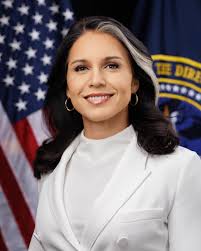
Tulsi Gabbard, a prominent figure in American politics, has been a subject of significant discussion in recent years. Serving as a U.S. Representative from Hawaii’s 2nd congressional district from 2013 to 2021, Gabbard’s stance on various issues has created waves across the political landscape. Her unique position as a young female representative and a veteran of the Iraq War has contributed to her appeal among diverse voter groups. Understanding her political journey is essential as various factors shape current debates on domestic and foreign policies.
Political Background
Gabbard became the first Hindu elected to the U.S. Congress and was also the first Samoan-American voting member of Congress. Her method of engaging with issues such as healthcare, military intervention, and climate change has often set her apart from traditional Democratic Party lines. Gabbard’s presidential bid in 2020, although not successful, introduced her to national prominence, showcasing her commitment to appealing to voters seeking alternatives to mainstream candidates.
Key Issues and Policies
Throughout her political career, Gabbard has focused on several critical issues. Notably, her opposition to regime change wars has attracted attention, positioning her as a non-interventionist candidate. She has advocated for healthcare reform through a Medicare-for-All system and has been vocal about the importance of addressing climate change with urgency. Gabbard has also made headlines for her ability to cross party lines, gaining attention for her willingness to challenge not only Republican policies but those of her own party as well.
Recent Developments
In recent months, Gabbard has continued her political activism through appearances in various media formats, discussing pressing issues regarding American foreign policy, civil liberties, and social justice. While Gabbard left the Democratic Party in 2022, her influence remains significant, especially among libertarians and anti-war activists. Her social media presence has also contributed to her influence, allowing her to engage with a broader audience directly.
Conclusion
The journey of Tulsi Gabbard from a local politician to a national figure illustrates not only her adaptability but also the shifting dynamics within American politics. As discussions continue around the future of both major political parties and the potential for independents to gain more traction, Gabbard’s impact is likely to carry weight in future elections. Her unique perspectives on foreign policy, healthcare, and social issues will continue to resonate, providing voters with alternatives in an evolving political landscape. Thus, Gabbard’s role as a key political player remains significant and warrants close attention.