Introduction
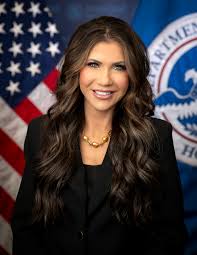
Kristi Noem, the first female governor of South Dakota, has become a significant figure in American politics. Known for her conservative stance and leadership style, Noem’s policies and actions are shaping not only her state but also influencing the national political landscape as she potentially eyes higher office. Her tenure has sparked interest as she navigates key issues during a time of political division.
Early Life and Political Ascent
Born on November 30, 1971, in Watertown, South Dakota, Kristi Noem grew up on a family farm and gained experience in agriculture and business at a young age. After obtaining a degree in political science from South Dakota State University, she entered politics, winning a seat in the South Dakota House of Representatives in 2006. Her rise to prominence continued when she was elected to the U.S. House of Representatives in 2010, where she served three terms before becoming governor in 2019.
Governorship and Key Policies
As governor, Noem has implemented several notable policies that align with her conservative values. Her administration has prioritized business-friendly regulations, tax reforms, and greater state autonomy. A major highlight of her tenure was her response to the COVID-19 pandemic, which was characterized by a focus on personal freedoms and minimizing lockdowns, a stance that drew both praise and criticism nationally.
In addition to pandemic management, Noem has also championed issues such as gun rights, property rights, and educational reforms. Her staunch opposition to federal government overreach resonates with many conservative voters, further solidifying her position within the GOP. She has also been a vocal advocate for policies that support the farming and agricultural community, essential sectors in South Dakota.
National Recognition and Future Prospects
Noem’s approach has garnered both admiration and controversy, positioning her as a prominent figure in the Republican Party. She has gained national attention for her potential candidacy for higher office, especially as a possible vice-presidential pick or future presidential candidate in the 2024 election cycle. Recently, she has been considered a central figure at political rallies, showcasing her influence and the support she garners within conservative circles.
Conclusion
Kristi Noem’s journey from local politics to the governorship highlights her stronghold on South Dakota politics and her growing influence nationally. As she continues to advocate for conservative values and tackle pressing issues, her actions will undoubtedly impact upcoming elections and the direction of the GOP. For readers, staying informed about Noem’s policies and political activities will be crucial as they navigate the future political landscape and its potential leaders.