Introduction
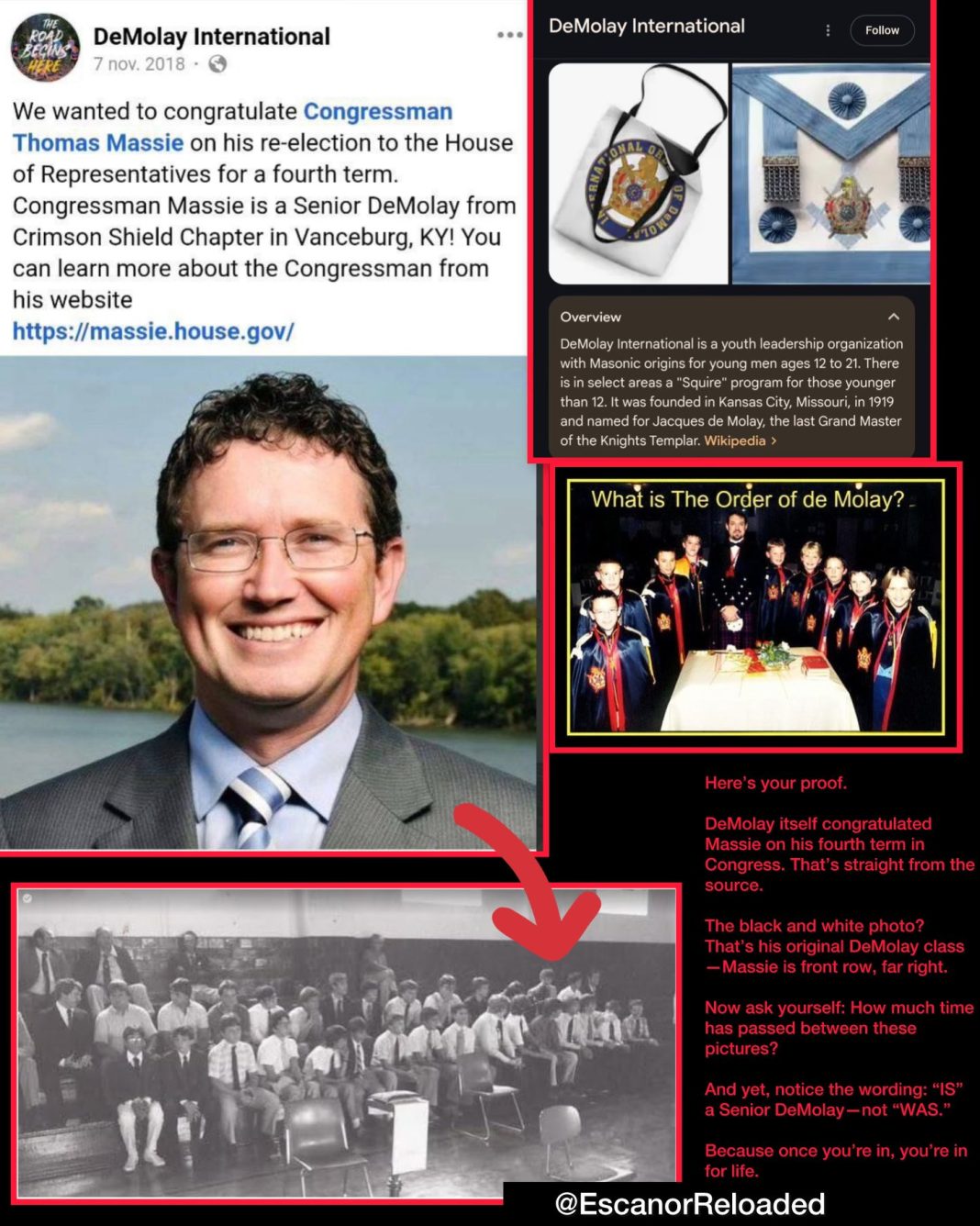
Thomas Massie, a Republican congressman from Kentucky, has garnered attention in recent years for his distinctive approach to legislation and his unwavering commitment to individual liberty. As the United States grapples with pressing issues ranging from economic policy to civil liberties, Massie’s political stance offers insights into the evolution of modern conservatism and libertarianism in American politics.
Background and Career
Born in 1971 in Kentucky, Massie earned his electrical engineering degree from MIT before venturing into the world of business as an entrepreneur. He first entered politics in 2010, winning a seat in the U.S. House of Representatives. Known for his tech-savvy approach, Massie has also been at the forefront of advocating for issues such as privacy rights, reducing government spending, and maintaining constitutional governance.
Recent Developments
In 2023, Massie continued to be a vocal critic of government overreach, especially in the wake of the COVID-19 pandemic. He has actively opposed vaccine mandates and has called for greater transparency in government decisions. His recent social media posts discussing inflation and government spending have resonated with constituents who are concerned about economic instability. Moreover, Massie’s willingness to challenge both Democratic and Republican leadership has solidified his reputation as a maverick within Congress.
Legislative Achievements
Massie has introduced several pieces of legislation aimed at rolling back regulatory frameworks he views as impediments to liberty. Notable among these is his push for the Audit the Fed Act, which aims to increase scrutiny over the Federal Reserve’s operations. Additionally, he has consistently voted against funding bills that expand the national debt, urging for fiscal responsibility.
Conclusion
As the political landscape continues to shift in the United States, Thomas Massie represents a faction of lawmakers who prioritize limited government and individual freedoms. His approach serves as both a critique of conventional political practices and a call to returning to foundational American principles. Observers of American politics should keep a close eye on Massie as his influence is likely to grow, especially among libertarian-leaning voters who feel disenfranchised by mainstream party politics. In an era marked by division, Massie’s stance on key issues could provide a blueprint for a new brand of conservatism that resonates with an evolving electorate.