Introduction
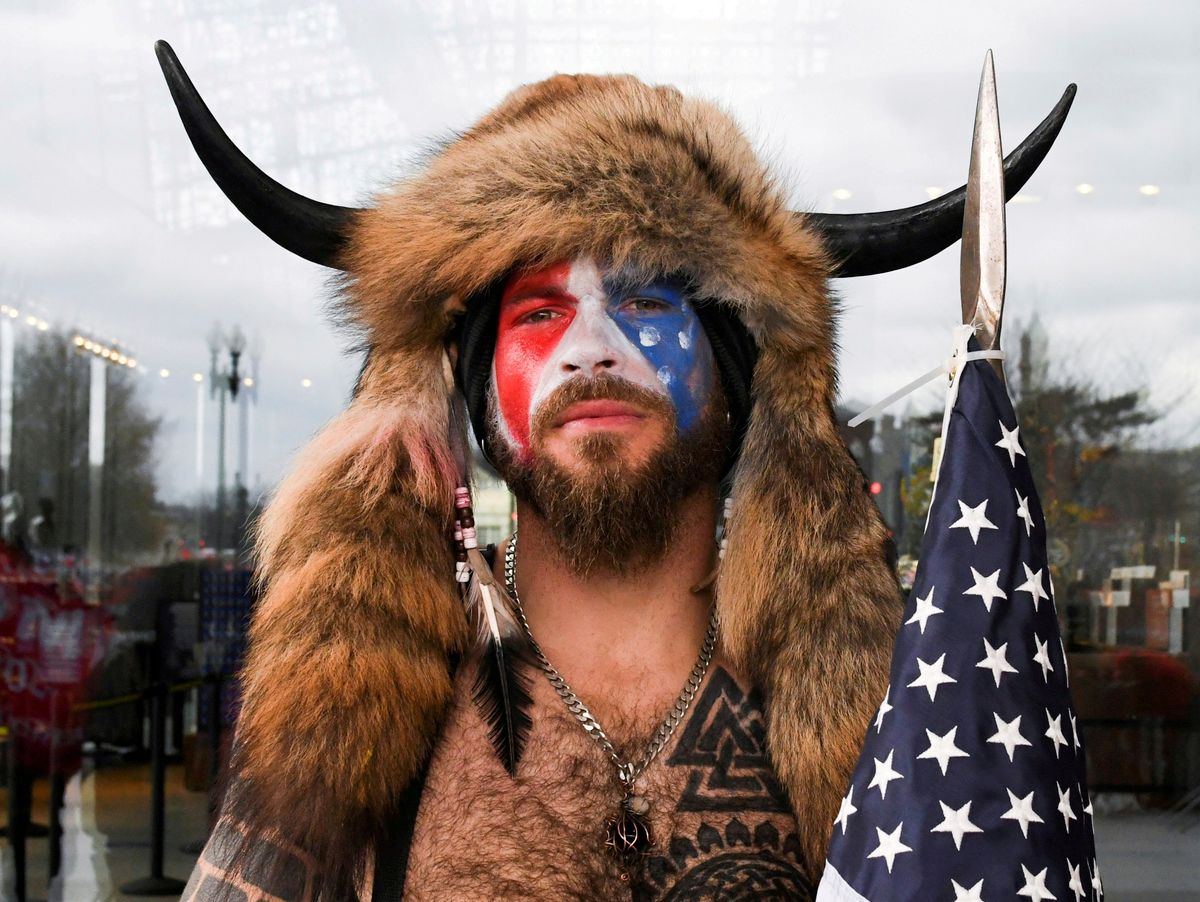
The QAnon Shaman, known for his horned fur hat and face paint, became a symbol of the January 6 Capitol riot. As a self-proclaimed shaman and conspiracy theorist, he captured national attention during the attempts to overturn the 2020 presidential election results. The importance of exploring his role lies not only in understanding the events of that day but also in examining the broader implications of extremism in American politics.
The Events of January 6
During the insurrection at the Capitol, Jacob Chansley, known as the QAnon Shaman, led a group of rioters inside the building, famously sitting at Vice President Mike Pence’s desk and chanting slogans. His actions were part of a larger movement that sought to challenge the democratic process. Chansley’s presence resonated with many as he embodied the irrational fervor and theatricality often seen within QAnon circles.
Legal Ramifications
Following the riot, Chansley was arrested and charged with several offenses, including obstruction of an official proceeding. In September 2021, he pleaded guilty to a felony charge, resulting in a 41-month prison sentence. His legal journey raised questions not only about individual responsibility but also about the larger network of individuals involved in the insurrection and the ideologies that fueled it.
Cultural Impact and Reactions
The QAnon Shaman’s actions have since become a point of discourse among various groups. While some view him as a misguided patriot, others see him as a cautionary tale of how conspiracy theories can lead to real-world violence. His image has been widely circulated online, and he has even inspired merchandise across the internet, showcasing the bizarre intersection of politics and pop culture.
Conclusion
The saga of the QAnon Shaman reinforces the necessity of addressing the growing extremism within political discourse in the United States. As we continue to navigate through the repercussions of the January 6 Capitol riot, it becomes increasingly important to foster open dialogue about the impact of conspiracy theories. The future of American democracy may very well depend on our collective ability to confront and dismantle the narratives that undermine its integrity.