Introduction
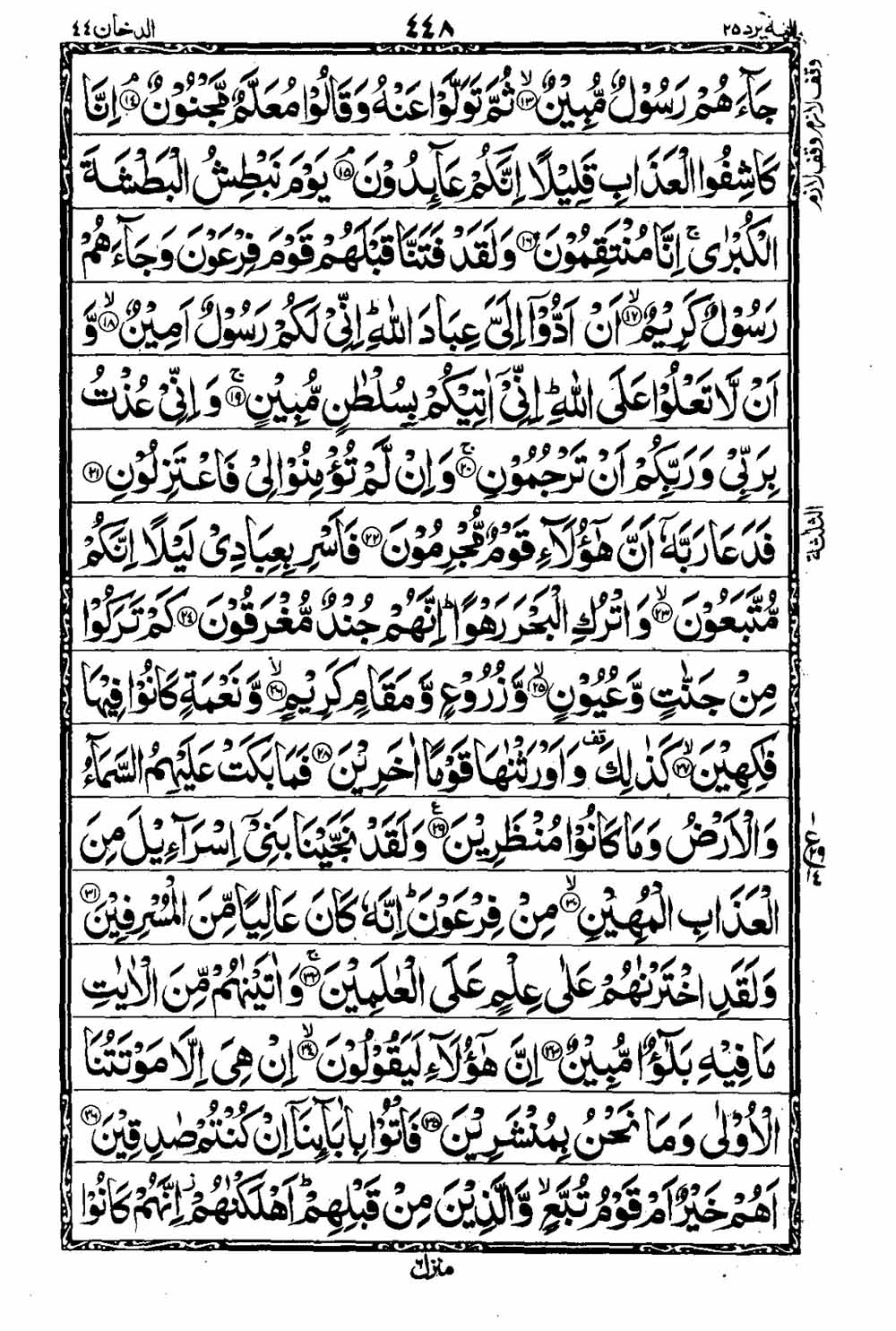
The Quran, regarded as the holy book of Islam, holds immense significance not only for Muslims but also in a broader cultural and historical context. As the written word of divine guidance revealed to Prophet Muhammad over 1,400 years ago, it continuously shapes the beliefs, practices, and identities of approximately 1.8 billion Muslims worldwide. Understanding the Quran is crucial for both believers and those interested in diverse cultural perspectives, creating a dialogue on ethics, morality, and civilizations.
Content and Teachings of the Quran
The Quran consists of 114 chapters, known as surahs, which encompass a variety of topics, including theology, law, morality, and guidance on personal conduct. Its teachings emphasize the oneness of God (Tawhid), social justice, compassion, and community responsibility. The Quran also addresses contemporary issues such as gender equality, economic justice, and human rights, encouraging interpretations that resonate with today’s challenges.
Global Influence and Interpretations
Over the centuries, the Quran has profoundly influenced literature, law, and art across various cultures. Its accessibility has led to numerous translations and interpretations, which aim to make its teachings comprehensible to broader audiences. Scholars continuously engage with the text, emphasizing contextual readings that reflect both historical and modern realities. Recent debates have emerged on how interpretations can adapt to evolving social norms while maintaining fidelity to original teachings.
Modern Relevance
In recent years, the Quran has gained renewed attention amidst global discussions on Islamophobia, cultural diversity, and ethical governance. Interfaith dialogues have bolstered the understanding of the Quran as a source of peace and co-existence, contradicting extremist narratives. Many organizations and communities are utilizing its teachings as a framework for interreligious cooperation, advocating for justice, and addressing societal issues globally.
Conclusion
The Quran remains a vital text, not only for Muslims but also for all who seek insight into ethical living and social harmony. As societies become increasingly diverse, engaging with the teachings of the Quran can foster a more profound understanding of different worldviews. It encourages discussions that transcend barriers, paving the way for coexistence and mutual respect in a rapidly changing world.