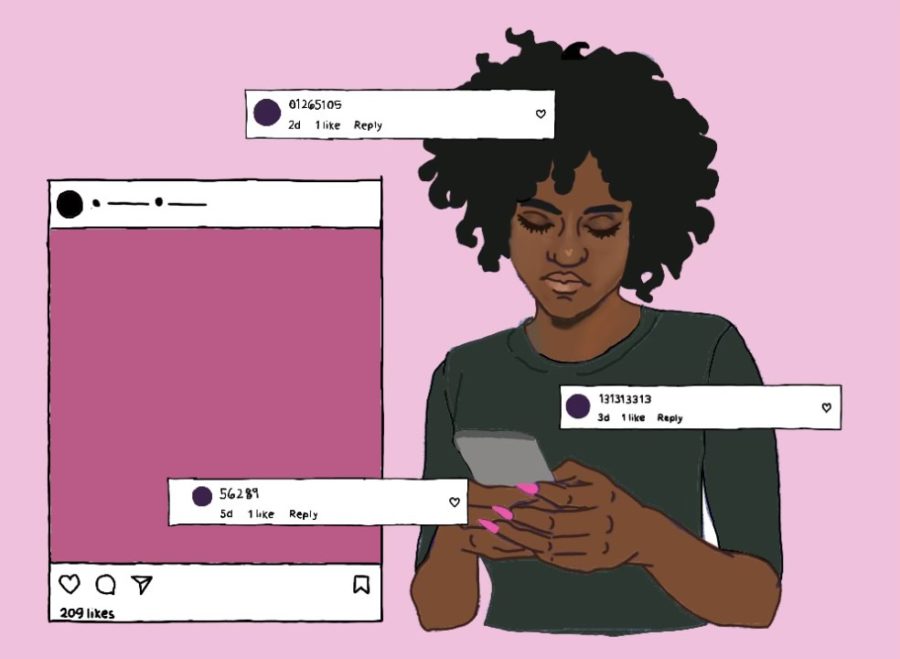
Introduction to Cancel Culture
Cancel culture has emerged as a significant phenomenon in today’s social landscape, characterized by the practice of withdrawing support for public figures or organizations after they have done or said something deemed objectionable. This practice has gained traction with the rise of social media platforms, providing a platform for collective action and mobilization.
The Mechanics of Cancel Culture
Cancel culture typically unfolds in several stages. It often begins with a social media post that is perceived as offensive, followed by public outcry and calls for accountability. Hashtags and trending topics may emerge, leading to discussions about the individual’s past behavior and statements.
Recent high-profile cases include numerous celebrities, academics, and companies that have faced backlash for statements or actions considered insensitive or harmful. For instance, in 2020, prominent figures in entertainment and politics found themselves in the crosshairs of cancel culture, leading to resignations, apologies, or lost endorsements. The public’s response can significantly impact a person’s career or an organization’s reputation.
The Debate Surrounding Cancel Culture
Critics argue that cancel culture stifles free speech, making individuals hesitant to express unpopular opinions or engage in meaningful dialogue. They contend that it fosters an environment of fear, where the potential for being ‘canceled’ outweighs the freedom of expression.
On the other hand, proponents assert that cancel culture serves as a powerful tool for social justice. They argue that it holds individuals accountable for their actions, particularly in cases of discrimination or harassment. Supporters view it as a means for marginalized voices to assert their rights and demand change, emphasizing that accountability is a necessary component of societal progress.
Recent Developments and Implications
As society navigates the complicated waters of cancel culture, several trends have emerged. Increased awareness of the nuances of public discourse and the importance of empathy have influenced conversations in academic and professional settings. Events in 2023 demonstrate a growing trend of individuals re-evaluating past words and actions, resulting in increased public figures choosing to engage in dialogue rather than deny mistakes.
Conclusion: The Future of Cancel Culture
The implications of cancel culture are profound, challenging traditional notions of accountability, freedom of expression, and social justice. As society continues to grapple with these complexities, the future will likely see a blending of accountability with more compassionate approaches to learning from past mistakes. Cancel culture, therefore, represents not just a call to action but an evolving dialogue that raises critical questions about our values and the way we engage with each other in a digital age.