An Overview of Pizza Gate
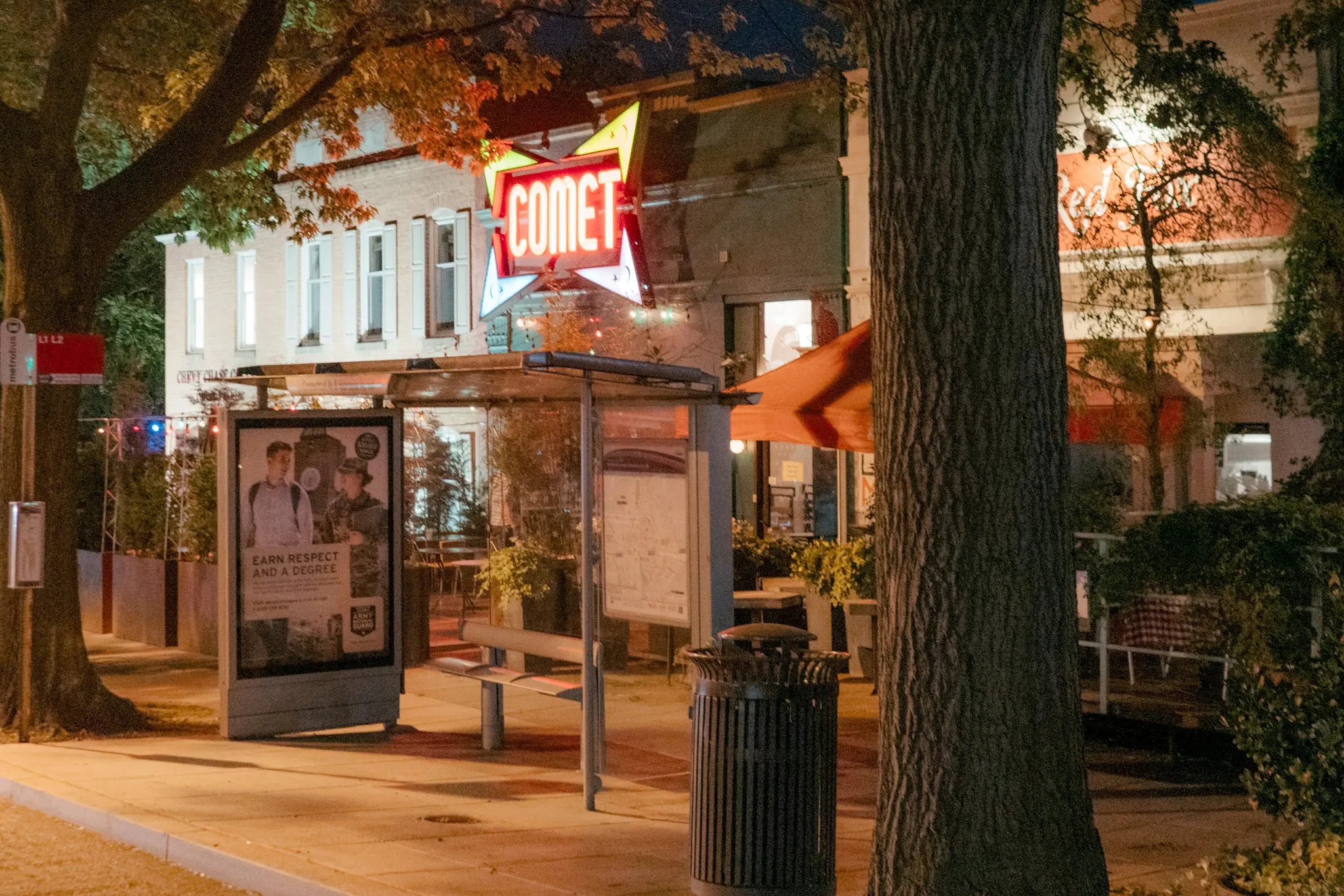
Pizza Gate is a conspiracy theory that emerged during the 2016 U.S. presidential election, falsely claiming that a child trafficking ring involving high-profile politicians was being run out of a Washington D.C. pizzeria called Comet Ping Pong. The theory gained traction on social media platforms and various online forums, igniting public outcry and drawing attention to the dangers of misinformation.
Origins and Spread
The conspiracy theory gained momentum after the release of John Podesta’s emails by WikiLeaks in October 2016. Internet users began to dissect these emails, interpreting benign references to pizza and other food items as coded messages for pedophilia and human trafficking. The situation was exacerbated by a coordinated effort among various social media users who promoted the rumor, leading to significant visibility. As the story circulated, the hashtag #PizzaGate trended on platforms like Twitter, contributing to its spread.
Real-Life Consequences
The impact of the Pizza Gate conspiracy theory extended beyond the digital realm. In December 2016, a man entered Comet Ping Pong armed with a firearm, firing a shot, which he claimed was an attempt to investigate the allegations. Fortunately, no one was harmed, but the incident highlighted the real-world dangers of online conspiracies. Additionally, the story raised concerns about the state of media literacy in the digital age, particularly regarding the ability of individuals to discern credible information from falsehoods.
Cultural and Political Repercussions
Pizza Gate also reflects broader trends within society, including heightened distrust in traditional media and government institutions. The phenomenon has led researchers to study the psychological and societal factors that contribute to such conspiracy theories gaining traction. As misinformation campaigns evolve, questions arise about the responsibility of social media platforms in moderating content and preventing the spread of harmful false narratives.
Conclusion: Lessons Learned
The Pizza Gate incident serves as a cautionary tale about the implications of unchecked misinformation and the potential for online narratives to lead to violent actions in the real world. As political divisions remain deeply entrenched, it is crucial for individuals to critically evaluate the sources they engage with and advocate for increased media literacy. The legacy of Pizza Gate prompts an ongoing dialogue regarding the responsibilities of both content creators and consumers in an era where information can be easily manipulated.