Introduction
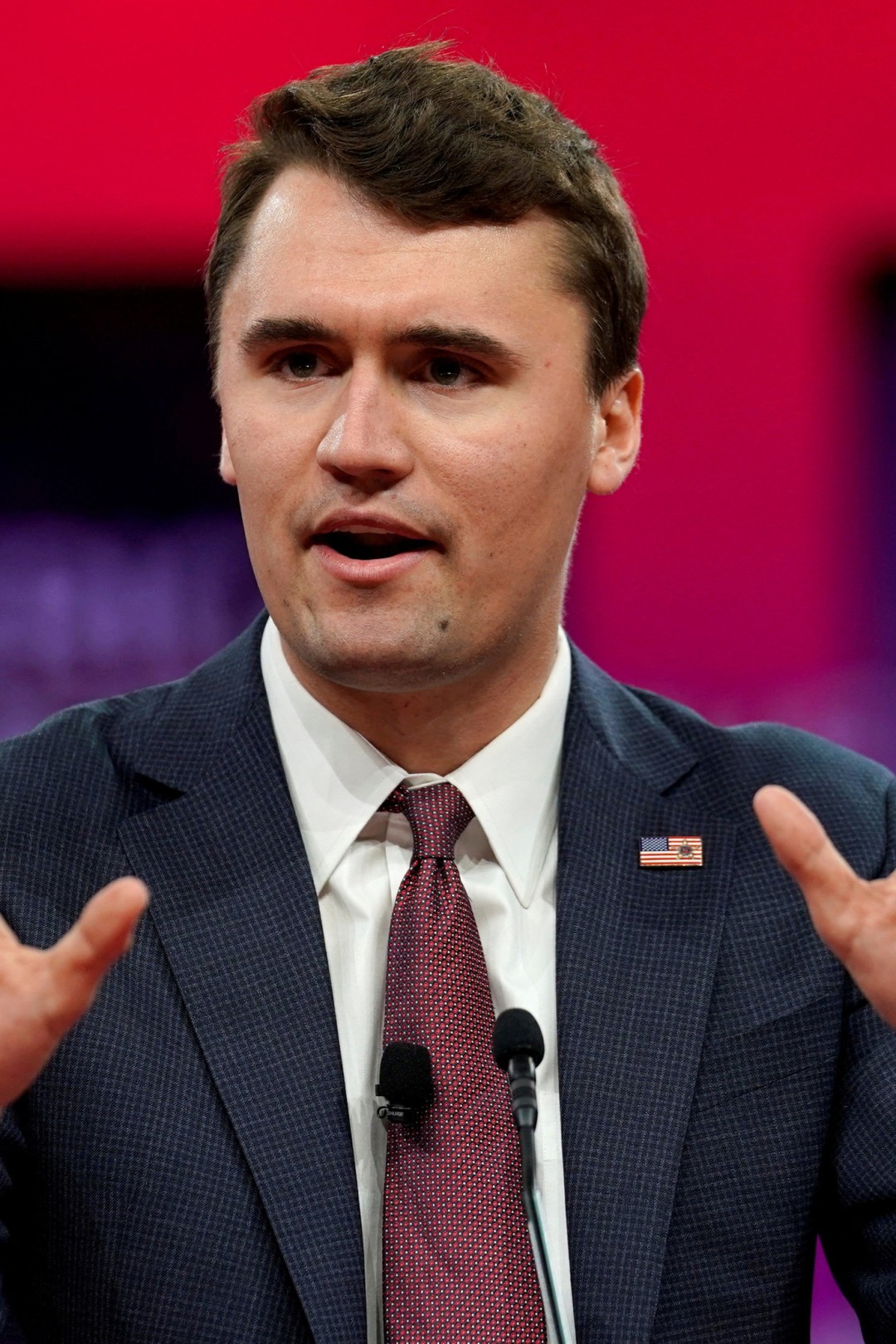
Charlie Kirk, the founder of Turning Point USA (TPUSA), has become a prominent figure in American conservative politics. His organization is focused on promoting conservative values among young Americans, making Kirk a significant player in shaping the future of the Republican Party. As political polarization continues to grow in the U.S., understanding Kirk’s influence is crucial for grasping the dynamics of contemporary political discourse.
Main Body
Turning Point USA and Youth Engagement
Founded in 2012, Turning Point USA has rapidly expanded its reach, boasting over 1,500 campus chapters across the country as of October 2023. The organization’s mission is clear: to educate and promote conservative principles among college students. Kirk’s efforts have resonated with many young conservatives, emphasizing free speech, limited government, and individual liberties.
Recent Political Activities
Kirk has been heavily involved in various high-profile events and discussions, including recent panels at conservative conferences like CPAC (Conservative Political Action Conference). His speeches often tackle controversial issues such as socialism, the role of government, and cultural politics, garnering both support and criticism. In a post-COVID-19 world, he has also delved into education reform, advocating for school choice and against critical race theory in school curriculums.
Response to Opposition
The rise of Kirk and TPUSA has not been without backlash. Critics argue that the organization promotes divisive rhetoric and undermines academic discourse. Kirk has frequently responded to his critics through social media and public appearances, asserting that his goal is to spark meaningful debate and promote a conservative agenda that he feels is being stifled on college campuses.
Conclusion
Charlie Kirk’s rise in influence reflects a broader trend of youth engagement in conservative politics. As the U.S. approaches the 2024 presidential elections, Kirk’s strategies and the mobilization of young conservatives through organizations like TPUSA will undoubtedly play a significant role. The continuing debate surrounding his tactics and the principles he advocates will be critical for understanding the future landscape of American political discourse. Given the ever-changing political climate, observers should keep a close watch on Kirk’s initiatives and their implications for both party politics and youth engagement in the public sphere.