Introduction
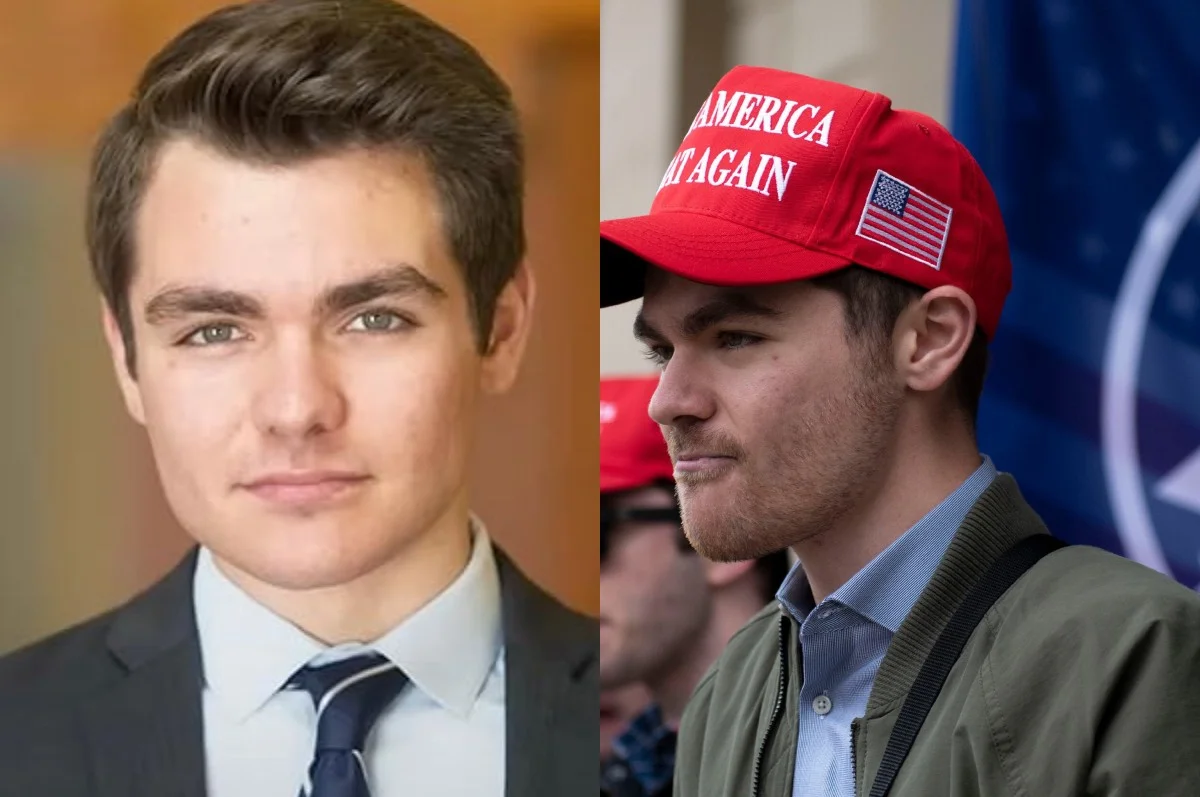
Nick Fuentes, a polarizing figure in contemporary American politics, is known for his extremist views and significant online presence. His influence has raised concerns among various communities and prompted discussions about the impact of far-right ideologies on mainstream politics, especially among youth. Understanding Fuentes’ rise and the context behind his messages is essential for evaluating the current political landscape.
Background and Rise to Prominence
Born in 1998, Nick Fuentes began his political journey as a conservative commentator and YouTuber. He gained traction among young conservatives during the Trump administration, often promoting a nationalist agenda that attracted a loyal following. Fuentes’ style blends humor with provocative rhetoric, making controversial statements that appeal to disenfranchised youth seeking a voice in politics.
His platform took a significant turn after being banned from various social media sites due to hate speech allegations. Nevertheless, his influence persisted as he turned to alternative platforms like Gab and Rumble, where he continues to reach his audience far beyond traditional channels.
Recent Events
In recent months, Fuentes has been involved in several high-profile incidents. His attendance at controversial gatherings, such as those associated with white nationalist groups, has prompted backlash from various civil rights organizations. Notably, his participation in events that promote antisemitism and racism has drawn considerable condemnation and raised alarm among public officials and advocacy groups.
Moreover, the rise of extremist ideologies associated with Fuentes has sparked tensions within the Republican Party. Many GOP leaders have condemned his views, yet there remains a faction that resonates with his message, complicating the party’s stance on issues related to nationalism and identity politics.
Public Response and Significance
The public response to Nick Fuentes is divided. Supporters argue that he represents a legitimate critique of contemporary issues that resonate with younger voters, while critics warn of the dangers posed by normalizing his extreme views. This discussion reflects broader concerns about radicalization in online spaces and the challenges faced in combating hate speech within the digital age.
Conclusion
As a figure symbolizing the intersection of youth culture and far-right politics, Nick Fuentes’ influence cannot be overlooked. The ongoing discourse surrounding his narrative highlights the complexities of political expression in modern America and serves as a reminder of the responsibility audiences have in navigating information online. Observing the implications of his rise will be crucial as society continues to grapple with the power of social media and its role in shaping political ideologies.