Introduction
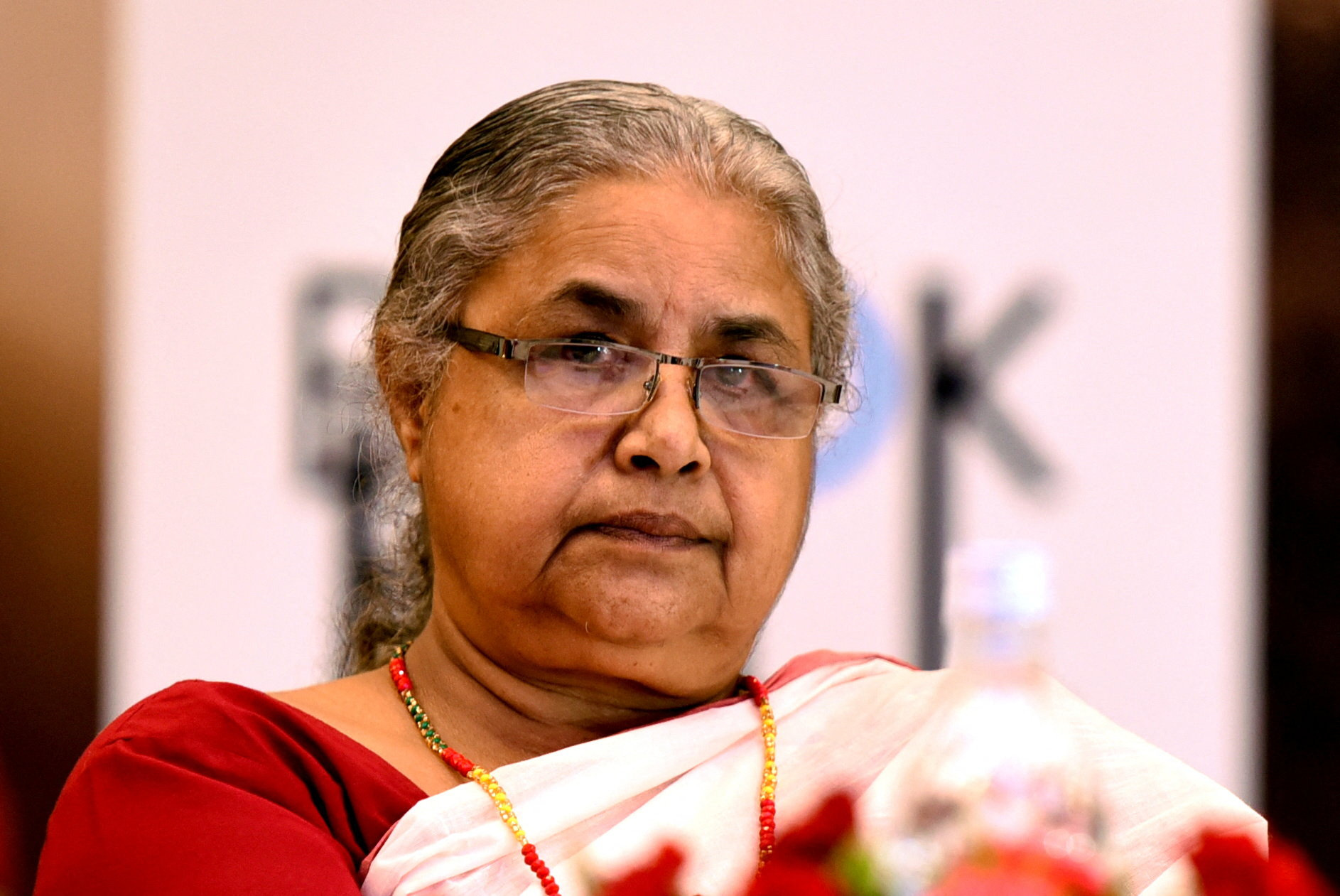
The appointment of Sushila Karki as Nepal’s Prime Minister marks a significant milestone in the country’s political landscape. As the first female Prime Minister in Nepal’s history, Karki’s leadership is not just a symbol of gender equality but also a pivotal point for political reform in the nation. This article explores her journey to power, her policy focus, and what her role means for the future of Nepal.
Background and Political Journey
Sushila Karki was previously known for her roles in the judiciary, specifically as Chief Justice, where she demonstrated her commitment to justice and rule of law. Born in a modest family, Karki excelled in her education and was dedicated to public service. Her rise through the political ranks was built on a foundation of integrity, a deep understanding of the law, and a focus on women’s rights, making her a popular figure both within and outside of the political sphere.
Policy Focus and Achievements
Since taking office, Karki has prioritized several key areas: combating corruption, enhancing women’s rights, and improving educational opportunities. Her government has initiated various reforms aimed at ensuring transparency in governance, which many view as a direct response to the long-standing concerns about corruption in Nepal’s political system. Moreover, she has championed policies that empower women and promote gender equality in all facets of society. Under her leadership, several programs have been launched to support female entrepreneurs and increase participation of women in the workforce.
Challenges and Future Outlook
While Karki’s leadership has been generally well-received, she faces numerous challenges ahead. The ongoing political instability, economic issues exacerbated by the global pandemic, and public demands for immediate results pose threats to her administration. Additionally, building consensus among various political factions and addressing the expectations of the youth demographic are vital for moving forward. Experts predict that if Karki can navigate these hurdles effectively, her tenure could set a precedent for future leadership in Nepal, particularly concerning gender representation in politics.
Conclusion
Sushila Karki’s tenure as Prime Minister is being closely watched both domestically and internationally. Her success beyond the symbolic nature of her role could inspire future generations of leaders, especially women across the region. By fostering inclusive policies and addressing the pressing needs of her country, Karki has the potential to not only reshape the political landscape of Nepal but also to set a significant example in the pursuit of gender equality in governance. Her journey and policies will be pivotal in determining the future trajectory of Nepal as a progressive nation.