Introduction
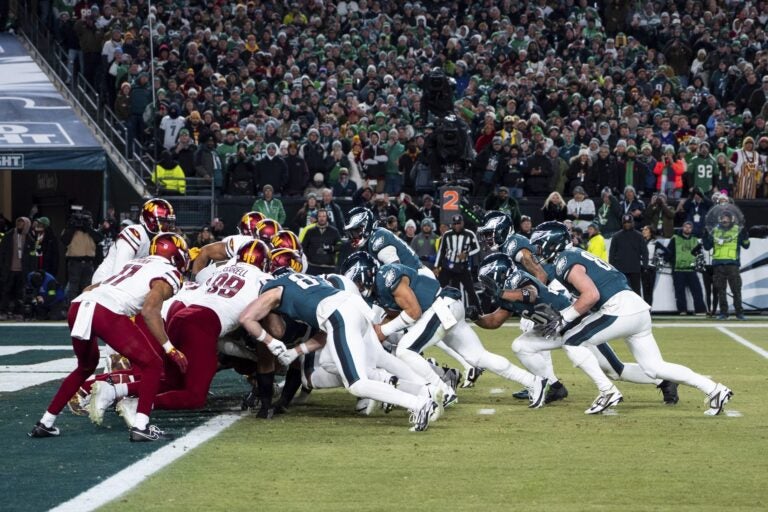
The tush push has become a significant topic of conversation in the NFL, especially following its successful implementation by teams like the Philadelphia Eagles. This strategic play, characterized by a quarterback taking the snap and being propelled forward by his teammates, has sparked discussions about its effectiveness, safety, and the regulations surrounding it. As football evolves, the relevance of the tush push highlights how game strategies can impact player performance and overall team dynamics.
What is the Tush Push?
The tush push, also known as ‘quarterback sneak’ or ‘rugby scrum’, involves a quarterback taking a direct snap and immediately surging forward, supported by offensive players pushing from behind to gain essential yardage. This tactic is particularly useful in short-yardage situations, such as on fourth downs or near the goal line, where traditional running plays might not suffice. The term gained traction largely due to its frequent use by the Eagles during the 2022 and 2023 seasons, where they turned it into a highly efficient tool to convert critical downs.
Current Trends and Performance
Recent statistics show that the tush push has been remarkably successful, with the Eagles converting over 90% of attempts during the 2022 playoffs and into the 2023 season. This success rate has prompted other teams to adopt similar strategies, showcasing the play’s effectiveness under pressure. Coaches and analysts are now closely evaluating how this play can fit into various offensive schemes and whether mixing it with different formations can secure advantages against opposing defenses.
Safety Concerns and Regulatory Discussions
Despite its effectiveness, the tush push has raised concerns regarding player safety. Critics argue that the play could lead to increased injuries, particularly among players being driven forward. In response, the NFL’s Competition Committee is reviewing safety measures and potential rule changes to address these concerns while allowing teams to utilize the play. Recent discussions suggest that future adjustments could include limiting the number of players involved in the push or adjusting the snap rules for quarterbacks.
Conclusion
The tush push represents a fascinating evolution in football strategy, underscoring the balance between innovation in gameplay and player safety. As teams increasingly incorporate this tactic into their offensive playbooks, the discussions surrounding its implementation and the safety concerns it raises will likely shape its future in the NFL. For fans and players alike, the tush push serves as a reminder of how traditional plays can evolve, leading to new dynamics on the field and exciting moments during the game.