Introduction
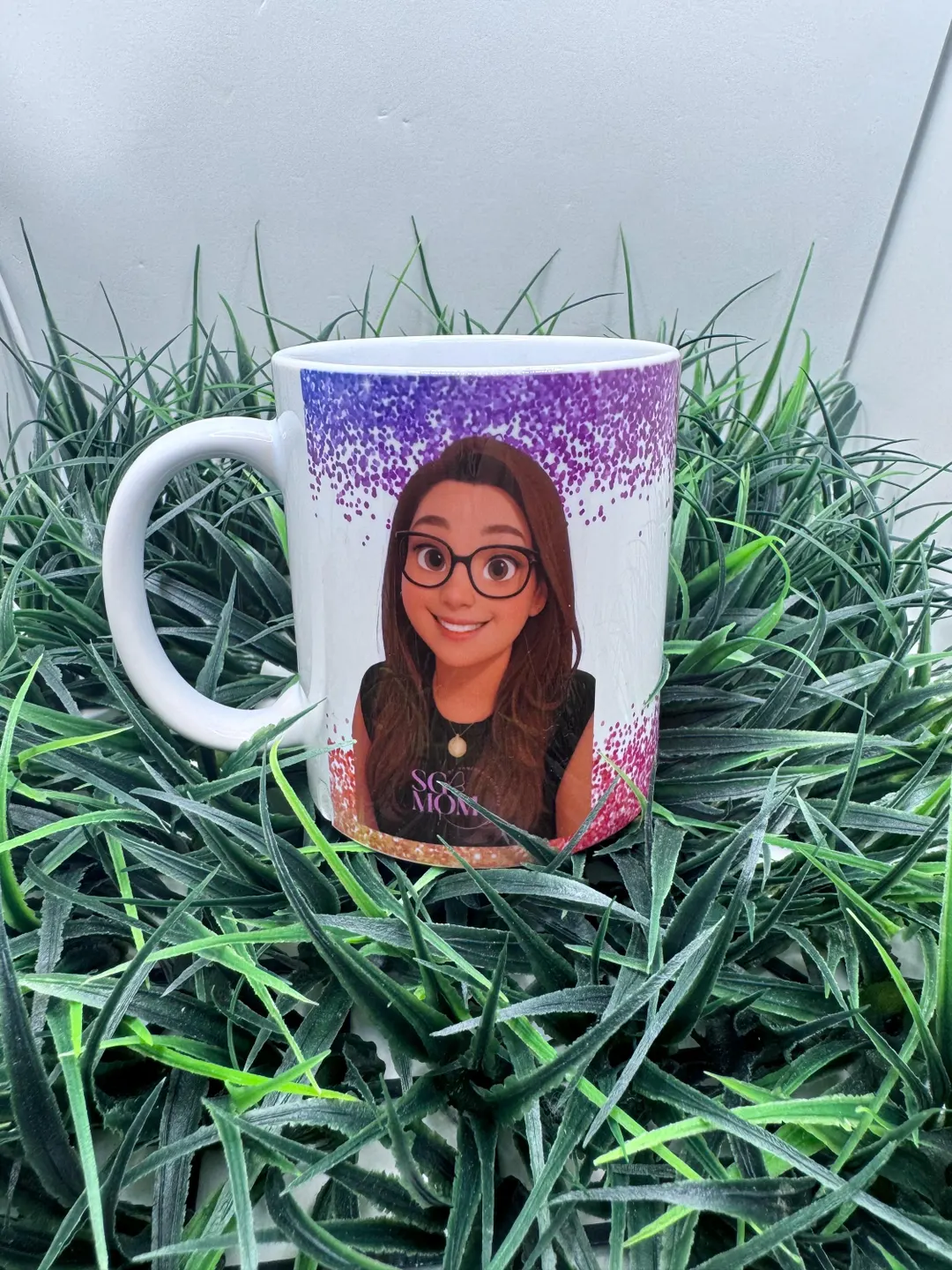
In recent months, the digital landscape has witnessed a creative phenomenon known as the ChatGPT caricature trend. This trend merges the capabilities of artificial intelligence with traditional caricature art, resulting in a unique and engaging form of expression that captivates both artists and tech enthusiasts. As AI-generated art continues to evolve, understanding its implications becomes increasingly relevant in today’s technology-driven world.
The Emergence of AI-Generated Caricatures
The ChatGPT caricature trend primarily utilizes AI models like OpenAI’s ChatGPT in conjunction with advanced image generation algorithms. Artists experiment with text prompts to guide AI into creating distinctive caricatures—playful, exaggerated representations of individuals or concepts. This innovative crossover has accelerated the creation of caricatures, providing both professional artists and amateurs with tools to explore creativity without the hefty time investment typically associated with traditional art forms.
Current Events and Popularity
As of October 2023, social media platforms have become the focal point for the ChatGPT caricature trend, where users share and promote their creations. Various hashtags, like #ChatGPTArt and #AICaricature, have gained traction, making it easier for artists to connect and showcase their work. In addition, multiple online contests are inspiring participation, with prizes increasing interest in AI-generated caricatures. Platforms like Instagram and TikTok feature viral challenges that encourage users to create personalized caricatures from their selfies, blending humor with art.
Implications for Art and Technology
As the ChatGPT caricature trend continues, it raises several important questions about the future of art and its interrelation with technology. Critics argue that while AI can enhance creativity, it risks diluting human artist skills and originality. Conversely, proponents assert that AI serves as a valuable tool that expands creative possibilities, allowing artists to experiment beyond their mechanical limitations. Both sides bring valid points, leading to an ongoing discussion about the role of AI in creative practices.
Conclusion
The ChatGPT caricature trend is more than just a fleeting social media craze; it represents an intriguing convergence of art, technology, and creativity. As this trend evolves, artists and creators must navigate the delicate balance between utilizing AI’s power and retaining authentic artistic expression. Moving forward, it will be essential for communities to embrace AI technology while fostering original creativity, ensuring a vibrant future for both art and technological innovation. Readers interested in this trend are encouraged to explore the world of AI art, appreciate its creative offerings, and participate in the discourse surrounding the implications of technology on traditional forms of artistic expression.