Introduction
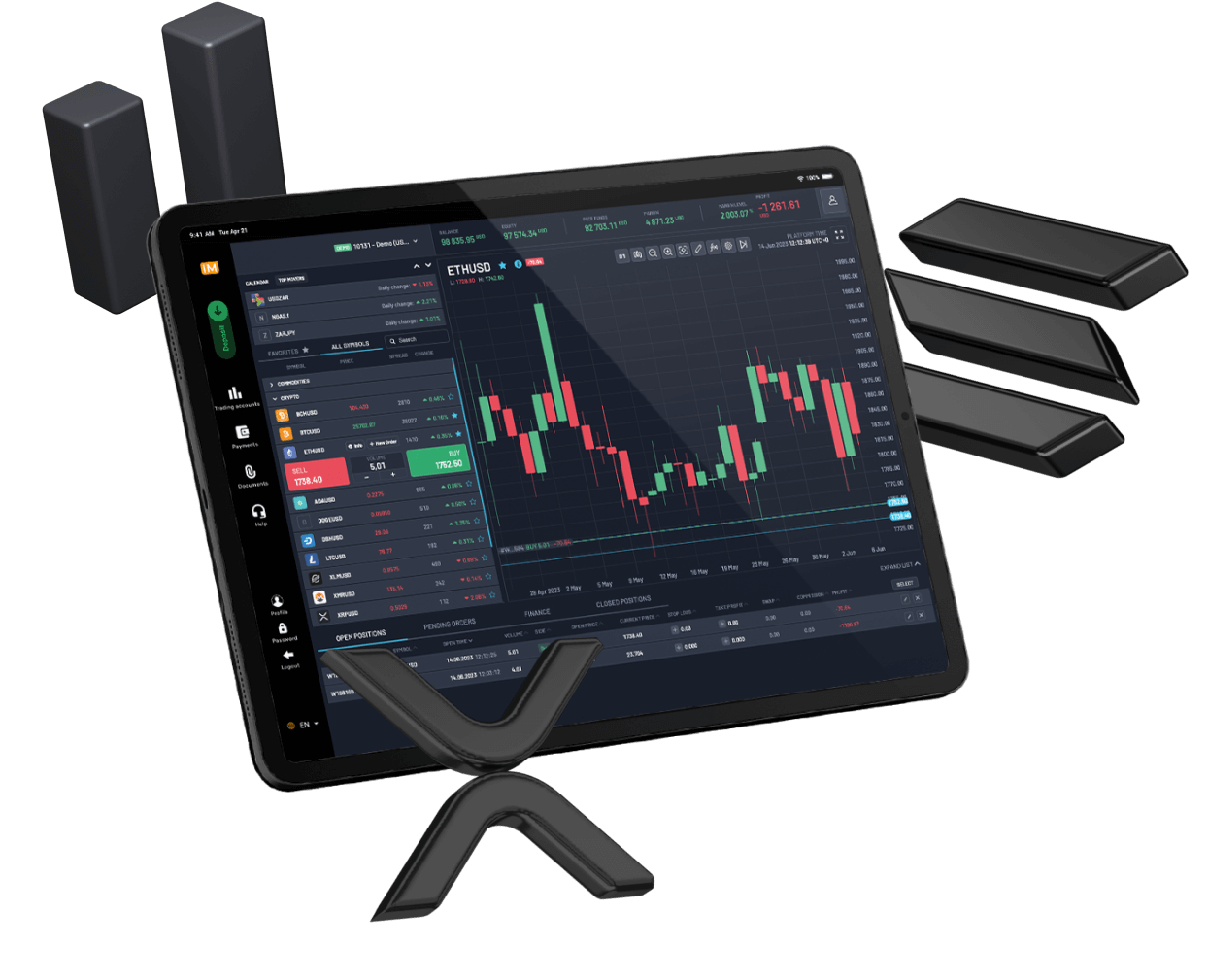
Cryptocurrency trading has surged in popularity over the past few years, gaining remarkable attention from investors, financial experts, and everyday individuals. This trading format, centered on digital currencies like Bitcoin, Ethereum, and many others, not only represents a fundamental shift in how people view money but also raises significant questions about future financial stability and regulations. As the market evolves, understanding its implications becomes crucial for both seasoned investors and novices alike.
Current Trends and Events
As of 2023, the cryptocurrency market has been marked by increased volatility and regulatory scrutiny. In recent weeks, Bitcoin has fluctuated around the $30,000 mark, reflecting caution among investors amid potential interest rate hikes. Exchanges are adapting to these market shifts: Binance, for instance, has launched features to enhance liquidity, while Coinbase has expanded its educational initiatives to assist new investors.
Moreover, with the increasing adoption of cryptocurrencies by major corporations and even some governments, the landscape is rapidly changing. El Salvador’s ongoing commitment to accepting Bitcoin as legal tender exemplifies this trend and poses questions about the long-term sustainability of such initiatives. Additionally, the rise of decentralized finance (DeFi) platforms is prompting traditional financial institutions to reassess their strategies in the face of unstoppable new competitors.
Challenges and Considerations
Despite the potential rewards, cryptocurrency trading is fraught with risks. The market’s high volatility can lead to significant financial losses, while regulatory changes can impact trading operations overnight. Additionally, security remains a major concern, with many traders falling victim to scams and cybercrimes. Educational resources, like those provided by financial literacy platforms, are becoming essential for anyone looking to participate in this volatile market.
Conclusion
The significance of cryptocurrency trading continues to grow, reshaping the financial landscape both positively and negatively. For potential investors, keeping abreast of trends, understanding risks, and utilizing reliable resources are essential steps toward navigating this dynamic market. As cryptocurrency evolves, its future promises opportunities for wealth creation but also demands informed decision-making to minimize risks. The journey into cryptocurrency trading is just beginning, and its ultimate impact on finance, society, and technology remains to be seen.