Introduction
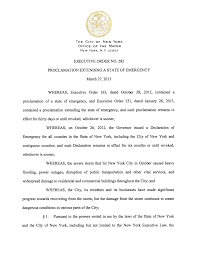
Executive orders are powerful tools used by the President of the United States to direct the operations of the federal government. These orders hold significant importance as they allow the President to make decisions and implement policies without the need for congressional approval. In recent years, executive orders have garnered considerable attention, generating discussions on their implications for democracy and governance in America.
Key Developments and Usage
Historically, executive orders have been utilized by some of the nation’s most notable Presidents, including Franklin D. Roosevelt, who issued more than 3,700 orders during his time in office. In the current political climate, executive orders have become a common tool for presidents to enact immediate changes, especially in moments of political gridlock.
In 2021, President Joe Biden signed over 30 executive orders during his first week in office. These orders addressed pressing issues such as the COVID-19 pandemic, climate change, and immigration reform, reflecting an urgent need to reverse policies from the previous administration. For instance, Biden’s order to rejoin the Paris Climate Agreement marked a significant shift in U.S. environmental policy.
Controversies and Challenges
Despite their utility, executive orders have also faced criticism and legal challenges. Critics argue that they can bypass the legislative process, undermining the separation of powers established in the U.S. Constitution. For example, the Deferred Action for Childhood Arrivals (DACA) program, implemented by President Obama via executive order, has been the subject of numerous court rulings and challenges, illustrating the contentious nature of executive actions.
Conclusion
The significance of executive orders extends beyond the immediate actions taken. They reflect the evolving power dynamics within the U.S. government and the contentious relationship between the executive branch and Congress. As political polarization intensifies, the frequency and impact of executive orders are likely to increase, leading to a re-examination of their role in governance. Understanding this topic is crucial for citizens and lawmakers alike, as it shapes the future trajectory of U.S. policy and governance.