Introduction
The International Monetary Fund (IMF) plays a critical role in the global economic landscape, serving as a lifeline for countries facing financial instability. Its purpose is not only to provide emergency funding but also to promote international monetary cooperation and financial stability. As economies worldwide grapple with challenges such as inflation, supply chain disruptions, and the aftereffects of the pandemic, understanding the IMF’s role has become increasingly important.
Recent Developments and Initiatives
As of October 2023, the IMF has actively supported various countries, especially those most affected by recent global crises. For instance, nations like Sri Lanka and Pakistan benefited from emergency funding packages designed to stabilize their economies and restore investor confidence. The IMF’s assistance typically includes financial resources that are contingent on the implementation of economic reforms.
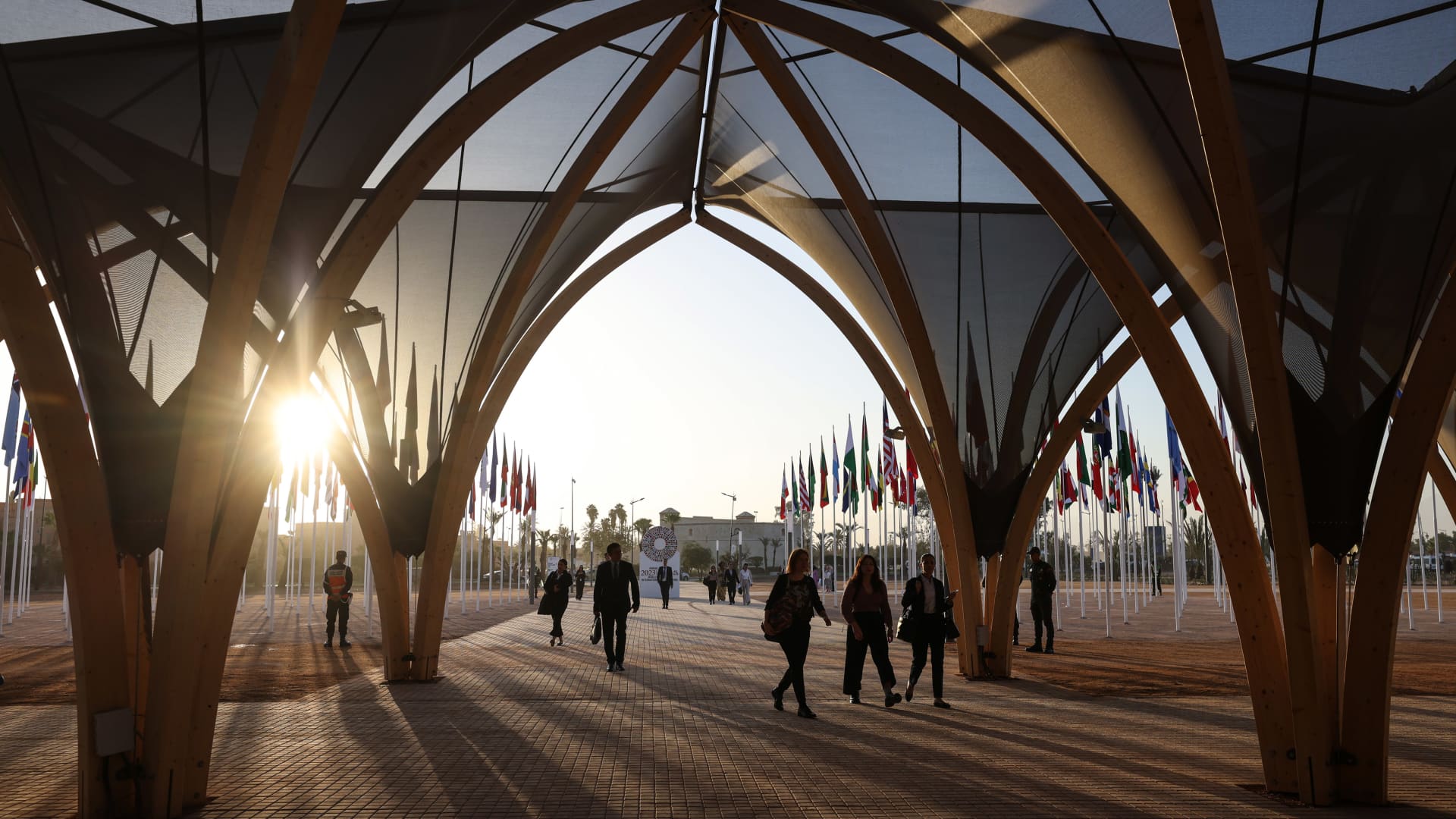
Moreover, during its recent annual meetings in Washington D.C., the IMF emphasized the importance of combating rising inflation and enhancing food and energy security. With many countries facing unprecedented economic challenges, managing inflation became a focal point, with the IMF advocating for coordinated policy responses globally to mitigate these risks.
Impact on Global Economy
The IMF’s financial interventions have far-reaching implications for global economic stability. By providing temporary relief to struggling economies, the IMF helps prevent potential financial crises from spilling over into other nations. For example, its recent efforts in assisting emerging markets have proven crucial in limiting the contagion effects that instability can have on global trade and investment.
Moreover, the IMF continues to work towards addressing broader issues such as climate change and digital currency regulation, which can affect financial futures. Initiatives to promote sustainable economic practices are increasingly becoming part of the IMF’s agenda, aiming to foster long-term resilience and growth in member countries.
Conclusion
In conclusion, the International Monetary Fund remains a vital institution in ensuring the stability and sustainability of the global economy. As nations navigate through their unique economic challenges, continued support from the IMF will be crucial in fostering recovery and growth. For readers, understanding the IMF’s mechanisms can provide greater insight into how global economics operates and the interconnectedness of economies, reinforcing the importance of international cooperation in today’s world.