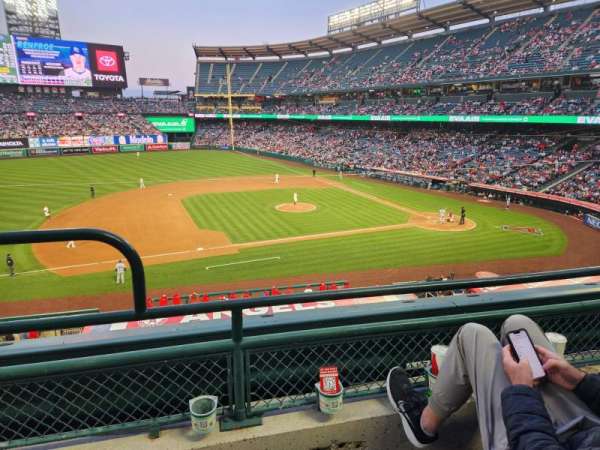
Introduction
Dodger Stadium, located in Los Angeles, California, is the largest baseball stadium in the United States and the third largest in the world. Opened in 1962, it serves as the home field for the Los Angeles Dodgers and has become a cultural landmark. With a seating capacity of over 56,000 fans, it plays a crucial role not only in Major League Baseball but also in the community and economy of Los Angeles.
Historic Importance
Dodger Stadium stands as a testament to the longevity and evolution of baseball. The design and construction of the stadium were revolutionary at the time, featuring modern amenities and an unobstructed view of the field. Dodger Stadium has hosted numerous memorable events, including the 1981 and 1988 World Series, and continues to be a pivotal venue for All-Star Games and special concerts.
Recent Developments
As of 2023, recent renovations have enhanced the fan experience at Dodger Stadium. The upgrades, completed in time for the start of the Dodgers’ season, have included a new center field plaza, expanded concourses, and a state-of-the-art sound system. The organization is also focusing on sustainability, implementing eco-friendly practices throughout the stadium. These changes aim to make Dodger Stadium a more engaging and environmentally responsible venue.
Community Impact
Dodger Stadium is not just a sports facility; it plays an integral role in the local community. The stadium hosts various events throughout the year, including charity games, youth sports clinics, and public events, providing engagement beyond baseball. The Dodgers’ commitment to community outreach enhances the team’s relationship with fans and local residents.
Conclusion
Looking ahead, Dodger Stadium continues to be a crucial part of Los Angeles’ identity. As the landscape of the MLB evolves, the Dodgers organization remains committed to preserving the charm of Dodger Stadium while also modernizing it to meet the needs of changing audiences. Its significance extends beyond just baseball; it is a gathering place for fans, families, and community members alike. As the stadium moves forward, it will undoubtedly remain a beloved landmark in Los Angeles for generations to come.