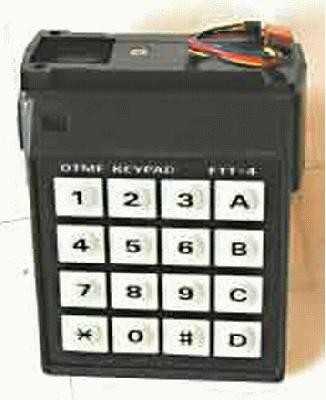
Introduction to DTMF
Dual-tone multi-frequency signaling, commonly known as DTMF, is a signaling scheme used in telecommunication systems to convey information through the use of differently pitched audio tones. It has revolutionized the way we interact with telephonic systems, enabling users to dial numbers and navigate voice menus seamlessly. Understanding DTMF is essential not only for telecommunications professionals but also for users who rely on automated services in daily life.
The Functionality of DTMF
DTMF combines two tones, one from a low-frequency group and another from a high-frequency group, to create a signal when a button is pressed on a telephone keypad. Each key corresponds to a unique pair of frequencies, allowing callers to communicate their selections and complete actions quickly. Introduced by AT&T in the 1960s, DTMF quickly became the standard for touch-tone dialing and has remained relevant due to its reliability and effectiveness.
Current Trends and Applications
In recent years, DTMF has evolved with the advent of VoIP (Voice over Internet Protocol) and digital communication systems. Although traditional landline phones are becoming less common, the demand for DTMF remains high among mobile users and smart devices, which often utilize automated attendants and interactive voice response (IVR) systems. According to a recent report by MarketsandMarkets, the global telecommunication market, including DTMF applications, is expected to reach $1.5 trillion by 2026, marking a significant growth trajectory in the sector.
Conclusion and Future Implications
As technology continues to advance, the importance of DTMF will likely evolve but remain integral to telecommunications. The seamless interaction enabled by DTMF in everyday tasks—from banking to customer support—illustrates its ongoing relevance. Future innovations in machine learning and artificial intelligence may further enhance DTMF’s capabilities, making it even easier for users to navigate systems. For those involved in telecommunications and users alike, staying informed about DTMF technology can lead to a better understanding of how automated systems operate in our increasingly digital world.