Introduction to the Chinese Zodiac
The Chinese Zodiac, a highly esteemed aspect of Chinese culture, consists of a twelve-year cycle with each year represented by a distinct animal. This ancient system not only assists individuals in determining their personalities and fortunes based on their birth year, but it also plays a crucial role in various cultural traditions and festivities, particularly during the Lunar New Year.
Overview of the Chinese Zodiac Animals
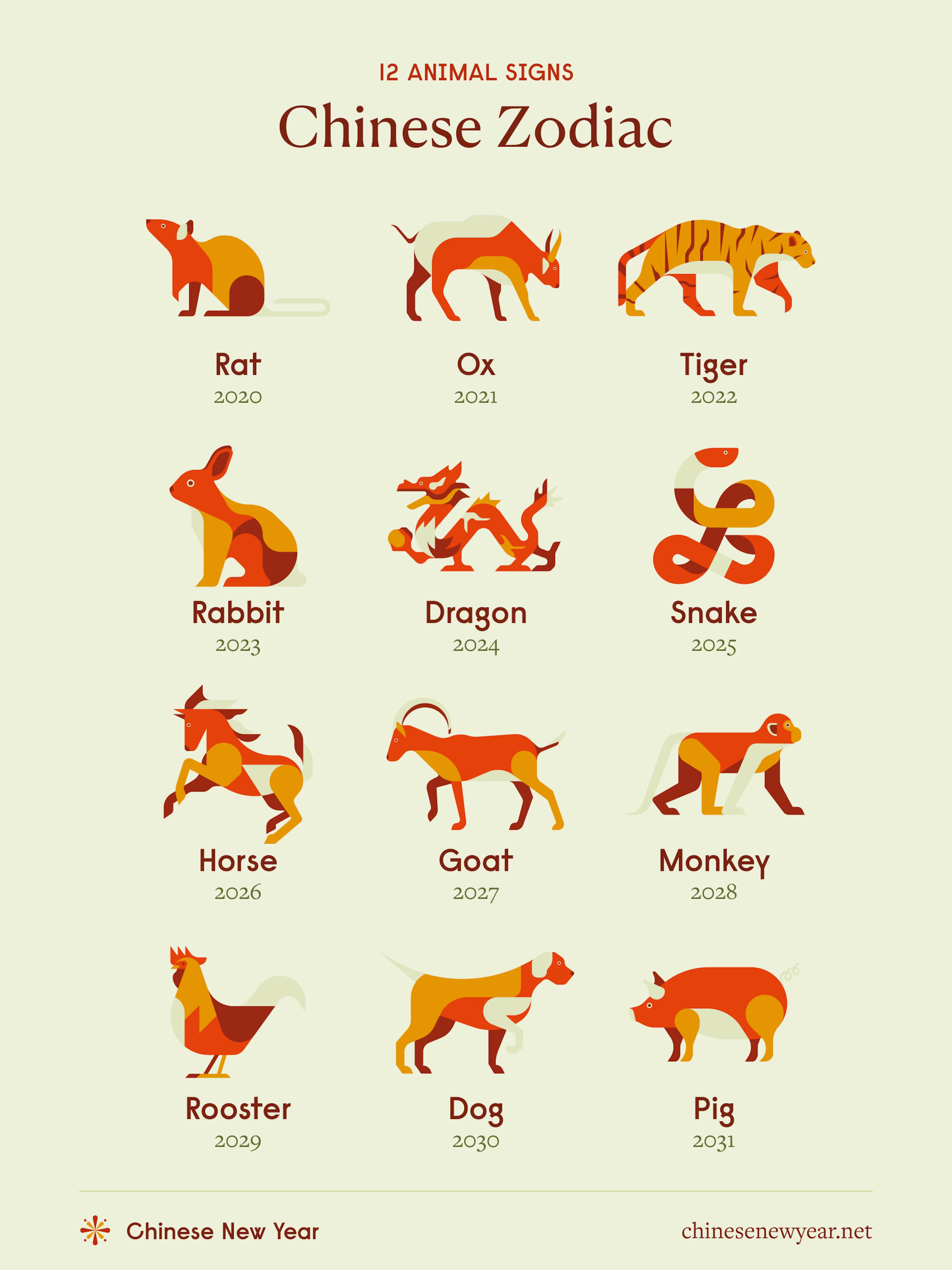
The twelve animals of the Chinese Zodiac are Rat, Ox, Tiger, Rabbit, Dragon, Snake, Horse, Goat, Monkey, Rooster, Dog, and Pig. Each animal is said to embody certain traits, influencing the behaviors and destinies of individuals born in their corresponding year. For instance, those born in the Year of the Rat are often seen as intelligent and adaptable, while those born in the Year of the Ox are valued for their diligence and reliability.
Impact on Culture and Traditions
The Chinese Zodiac goes beyond personal attributes; it is deeply intertwined with cultural practices. For instance, each year, festive celebrations include various customs that correlate with the governing animal of that year. For example, in the Year of the Tiger, it is common for people to display ornamental tigers and wear themed clothing as a way of seeking protection and good fortune. Furthermore, the Chinese Zodiac also influences marriage compatibility, business decisions, and even personal milestones.
Current Trends and Significance
As we approach the Year of the Rabbit in 2023, interest in the Chinese Zodiac is witnessing a resurgence both in China and globally. Many are looking towards this ancient wisdom to navigate personal and professional challenges in an increasingly complex world. With growing globalization, people from diverse backgrounds are also embracing the Zodiac’s teachings, leading to workshops, online consultations, and community events centered around Zodiac themes.
Conclusion
The Chinese Zodiac is more than just a method of categorization; it is a reflection of cultural identity, values, and beliefs that have persisted for centuries. As we observe its ongoing relevance, especially with upcoming celebrations and international fascination, it becomes evident that the Chinese Zodiac will continue to influence not only individuals but also communal living and cultural narratives in the years to come.