Introduction
The term ‘The Smashing Machine’ resonates with many sports fans and culture enthusiasts, primarily through the legacy of former mixed martial artist (MMA) and professional wrestler Mark Kerr. His journey and persona have left a profound impact on combat sports and continue to influence aspiring athletes today. The relevance of Kerr’s story in the context of mental health, sports training, and popularity of MMA makes it a critical topic of discussion.
Background of ‘The Smashing Machine’
Mark Kerr, known as ‘The Smashing Machine’, emerged in the late 1990s during the boom of MMA competitions. His combination of wrestling expertise and explosive striking ability captured the attention of fans and promoters alike. Kerr’s nickname stems from his training regime and indomitable drive inside the octagon, where he overwhelmed opponents with sheer determination and brute force.
Turning Point: The Documentary
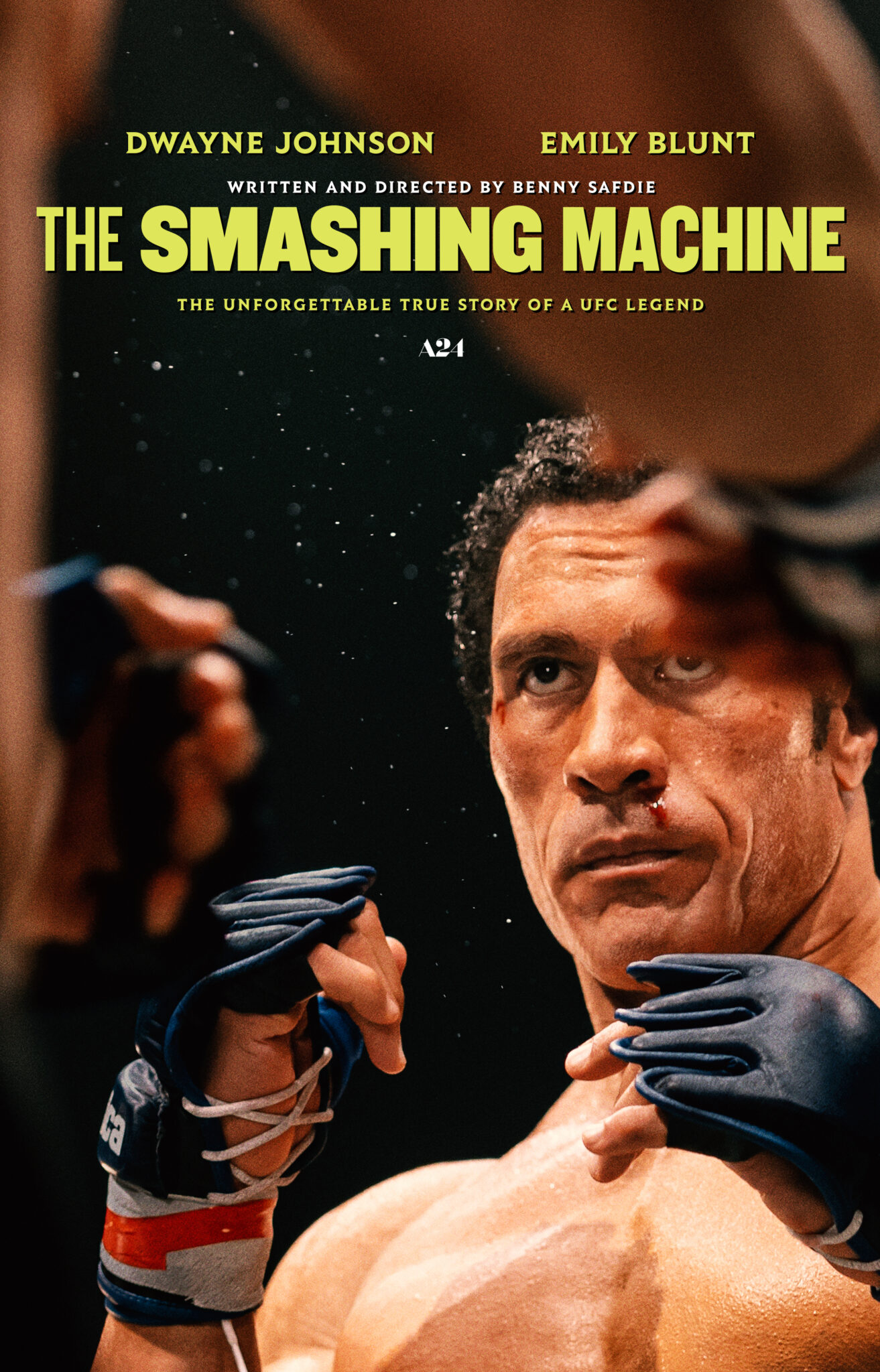
In 2002, Kerr’s life and career were the subject of a documentary titled ‘The Smashing Machine’. The film provided a raw and unfiltered look at his struggles with addiction and personal trauma, highlighting the darker side of athletic success. The documentary was pivotal in raising awareness about the mental health challenges faced by athletes, sparking discussions on the pressure they endure and the support they require.
Impact on Sports Culture
Kerr’s legacy extends beyond the ring. His candid portrayal of vulnerability resonates within the sports community, inspiring both fans and peers to address mental health issues openly. As athletes like Shannon Briggs and Ronda Rousey voice similar experiences, the conversation strengthens, encouraging a shift toward more supportive environments in sports.
Current Relevance
As the popularity of MMA continues to soar, the lessons from ‘The Smashing Machine’ remain crucial. Mental health awareness is gaining traction, and training regimes now incorporate psychological health alongside physical development. New initiatives focusing on athlete well-being, including counseling services and support networks, aim to prevent the struggles that plagued Kerr and many others.
Conclusion
The legacy of ‘The Smashing Machine’ serves as both a reminder and a call to action. As mixed martial arts grows in acceptance and popularity, so does the necessity to support athletes holistically. As we move forward, understanding the complexities of an athlete’s life will be paramount, ensuring that their struggles are addressed and their triumphs celebrated in an environment that nurtures both body and mind.