Introduction
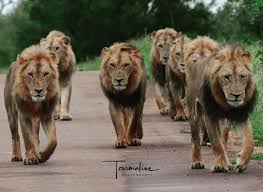
Lions, often referred to as the ‘king of the jungle’, play a crucial role in the ecosystem as apex predators. Their presence is vital for maintaining the balance of their habitats, yet today, they face numerous threats that have led to a significant decline in their populations. The importance of understanding the circumstances surrounding lions cannot be overstated, given their cultural significance and the ecological roles they fulfill. This article examines the current state of lion populations and the concerted efforts being made to ensure their survival in the wild.
Current Population Status
As of 2023, it is estimated that fewer than 20,000 lions remain in the wild across Africa, with their populations declining by nearly 43% in the past two decades alone. According to the International Union for Conservation of Nature (IUCN), lions are classified as vulnerable, with parts of their range experiencing substantial pressures from human activities like poaching, habitat loss, and conflicts with livestock. The West African lion population is particularly at risk, with estimates indicating fewer than 250 individuals left.
Conservation Efforts
Recognizing the plight of lions, various organizations and governments have initiated conservation programs aimed at protecting these magnificent creatures. One notable effort is the African Lion Recovery Fund, which works to double the lion population in Africa by 2050 through funding wildlife ranger patrols and community education programs. Similarly, the Lion Recovery Fund collaborates with local communities to promote sustainable practices that reduce human-wildlife conflict.
Human-Wildlife Conflict
One of the predominant challenges facing lions is human-wildlife conflict, particularly in areas where agriculture and livestock farming overlap with lion habitats. Farmers often perceive lions as threats to their livestock, leading to retaliatory killings. Education is key, and initiatives that offer compensation to farmers for livestock losses can help mitigate these conflicts and foster coexistence between humans and lions.
Looking Ahead
As conservationists continue to push for greater protections for lions, the future of these majestic animals hangs in the balance. It is crucial for global communities to unite in conservation efforts, taking actionable steps that benefit both lions and the people who share their habitats. Enhanced awareness of the ecological importance of lions and the threats they face is essential for rallying support for ongoing conservation endeavors.
Conclusion
The survival of lions is intertwined with the health of their ecosystems and the livelihoods of surrounding communities. As the pressures on their populations continue, both local and global efforts will determine whether these iconic animals will continue to roam the African savannah or fade into memory. Awareness, proactive conservation methods, and a commitment to coexistence are paramount to securing a future for lions and the ecological balance they help maintain.