Introduction
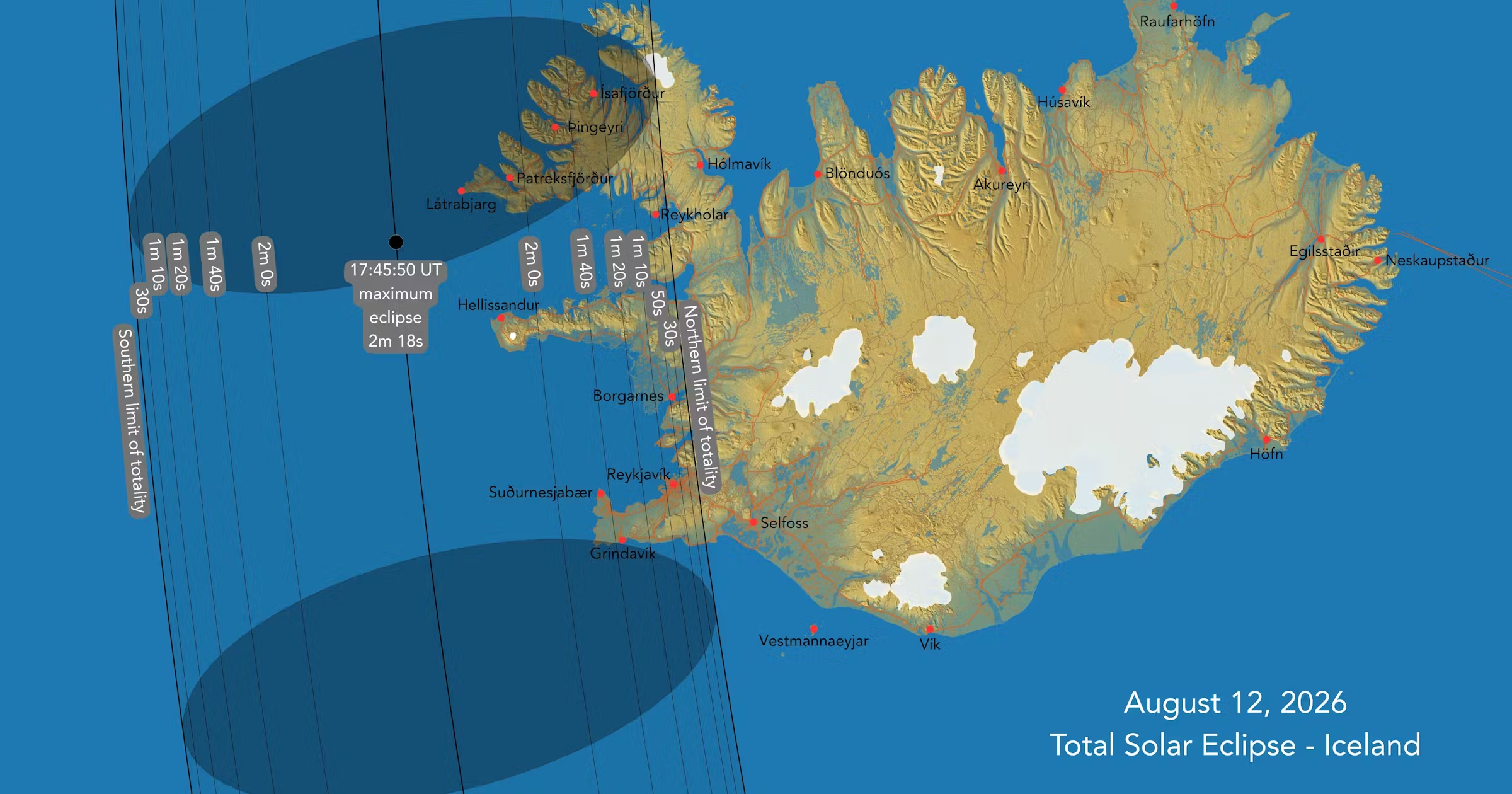
The 2026 eclipse is shaping up to be one of the most significant astronomical events of the decade, captivating the interest of both amateur astronomers and seasoned enthusiasts. Occurring on August 12, 2026, this total solar eclipse will provide a stunning visual experience as the moon completely covers the sun, casting a shadow across parts of Europe, the Arctic, Greenland, and Iceland. This event is not only an exciting spectacle but also offers scientific institutions and educational groups an opportunity to engage the public in astronomy.
Details of the Eclipse
This total solar eclipse will start in the northern Atlantic and travel over various regions, giving millions the chance to witness this celestial phenomenon. Key locations for optimal viewing will include major cities such as Reykjavik in Iceland, where the eclipse will reach totality, allowing observers to experience the sun’s momentary disappearance fully. Other areas in countries like Spain and northern parts of the UK are also expected to see partial phases of the eclipse.
The eclipse will be of particular interest because it will occur during the summer, making it accessible for more viewers as there will be longer daylight hours. Observers in the path of totality can expect the complete darkening of the skies, a truly breathtaking experience marked by temperature drops, animal behavior changes, and a view of the sun’s corona.
Preparation and Significance
As with any eclipse, preparation is vital. Experts recommend obtaining proper solar viewing glasses or eclipse viewers to safely experience this astronomical event without damaging your eyesight. Furthermore, organizations like NASA and local observatories are planning various viewing events, educational sessions, and live streams for those unable to travel to the path of totality.
The significance of the 2026 eclipse goes beyond just visual appeal. Eclipses have historically had profound scientific importance, contributing to our understanding of both the solar system and light phenomena. Experts and enthusiasts alike look forward to the opportunity to conduct research and learn more about the sun and its effect on Earth.
Conclusion
The eclipse of 2026 promises to be a remarkable event that brings people together through a shared fascination with the cosmos. As preparations ramp up, the importance of planning and education will be essential to maximize the experience. Mark your calendars and ready your solar viewing gear because come August 12, 2026, the sky will put on a show you won’t want to miss.