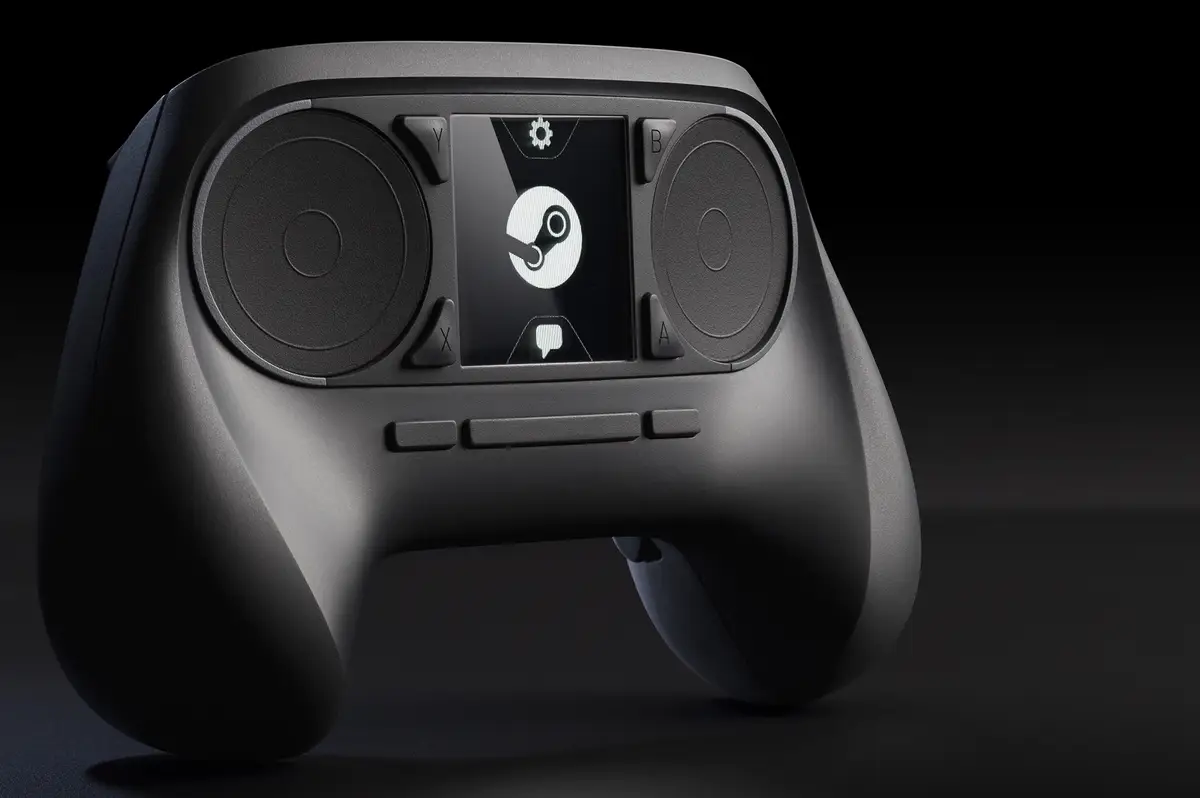
Introduction to the Valve Steam Machine
The Valve Steam Machine represents a significant development in the gaming industry, combining the power of PC gaming with the convenience of a console. Launched in 2015, the Steam Machine was designed to bring the expansive library of Steam games to the living room, challenging traditional gaming consoles like the Xbox and PlayStation. With the rise of home gaming, understanding the Valve Steam Machine is essential for gamers and tech enthusiasts alike.
Key Features and Specifications
Steam Machines are built on the Linux-based SteamOS, which allows users to access an extensive catalog of games available on the Steam platform. Unlike traditional consoles, Steam Machines come in various configurations, allowing consumers to choose different hardware specifications to suit their gaming needs. These machines provide flexibility in choosing peripherals, which can include gamepads, keyboards, and mice, offering a personalized gaming experience.
Market Reception and Challenges
Upon its release, the Valve Steam Machine received mixed reviews. Some praised its ability to bridge the gap between PC and console gaming, while others criticized the lack of exclusive titles and the complicated setup process. Despite the initial hype, sales were lower than expected, leading many to question the sustainability of the Steam Machine concept. Valve has since shifted its focus back to software and hardware like the Steam Deck, which has gained a more positive reception among players.
Impact on Gaming Culture
The Valve Steam Machine played a pivotal role in the conversation around open-source gaming. By promoting Linux as a viable gaming platform, it encouraged developers to create and optimize games for non-Windows operating systems. This initiative has led to a gradual increase in the number of titles available on Linux, ultimately expanding the gaming ecosystem and offering gamers more choices.
Conclusion and Future Predictions
As the gaming landscape continues to evolve, the significance of the Valve Steam Machine will be remembered as a catalyst for change. While it may not have achieved conventional success, its introduction sparked important discussions about the future of gaming hardware and software. Moving forward, the industry will likely see ongoing efforts to blend the lines between PC and console gaming, leveraging innovations from the Steam Machine’s concept to inspire new devices. For gamers, staying informed on such developments will be crucial in navigating the ever-changing gaming environment.