Introduction
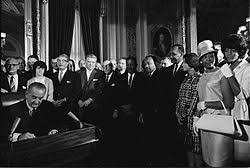
The Voting Rights Act, passed in 1965, is a critical cornerstone of American democracy, seeking to eliminate racial discrimination in voting.
This landmark legislation represents a significant achievement in the civil rights movement and continues to influence contemporary discussions on voting access and electoral fairness.
Key Provisions and Historical Context
The Voting Rights Act was enacted to address systemic barriers faced by African American voters in the South. Key provisions included the prohibition of literacy tests and other discriminatory practices and the provision for federal oversight of voter registration in areas with a history of discrimination.
Historically, the Act responded to widespread voter suppression, particularly in states where Jim Crow laws were pervasive. Its passage was celebrated as a monumental step towards equality, ensuring that all citizens, regardless of race, had the right to participate in the electoral process.
Current Challenges and Developments
In recent years, the Voting Rights Act has faced significant challenges. The 2013 Supreme Court ruling in Shelby County v. Holder weakened the federal government’s ability to monitor changes in voting laws in jurisdictions with histories of discrimination. This has led to numerous state-level laws perceived as voter suppression, including strict ID requirements and purging of voter rolls.
Additionally, the COVID-19 pandemic emphasized the need for accessibility in voting. Many states expanded mail-in voting and early voting options, but these changes sparked political debates over election integrity. As a result, the conversation surrounding the Voting Rights Act has resurfaced with renewed urgency, as advocates call for its restoration and adaptation to modern challenges.
Conclusion: The Future of Voting Rights in America
The Voting Rights Act remains a pivotal issue in the United States, highlighting ongoing struggles for equity in the democratic process. As legislative proposals emerge aiming to expand voting rights, such as the Freedom to Vote Act, the nation stands at a crossroads.
Ensuring fair access to the ballot box is essential for maintaining the integrity of democracy. The future of voting rights will depend on the collective will to address these challenges and secure a just electoral landscape for all individuals, fostering a society where every vote truly counts.