Introduction
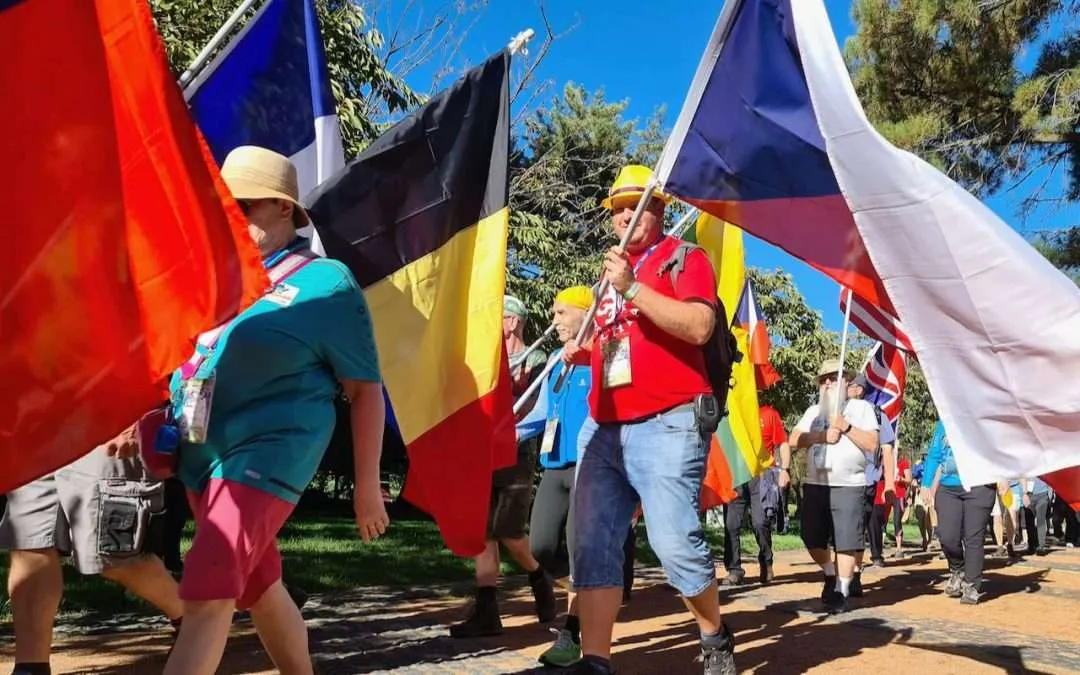
The Walk for Peace has emerged as a significant global initiative aimed at promoting peace, understanding, and solidarity among diverse communities. As conflicts and tensions continue to rise around the world, the movement emphasizes the importance of dialogue, empathy, and collective action. This initiative not only fosters community engagement but also transforms the act of walking into a powerful symbol of unity and hope.
Recent Events
In recent months, cities from Tokyo to New York have hosted their own Walk for Peace events, attracting thousands of participants. In September 2023, a notable event was held in Washington D.C., where activists, families, and local leaders gathered to walk along the National Mall. This gathering featured speeches from peace advocates, a moment of silence for conflict victims, and cultural performances celebrating diversity.
Moreover, the global nature of the Walk for Peace movement is underscored by its use of social media platforms to amplify voices and draw attention to local and international peace-building efforts. Participants across various locations shared their experiences, using hashtags such as #WalkForPeace2023, which trended across several platforms.
The Impact of the Movement
The Walk for Peace serves multiple purposes: it creates awareness about peace issues, fosters understanding between communities, and encourages individuals to reflect on their roles in promoting harmony. Surveys conducted during these events indicate that around 85% of participants feel more connected to their communities after taking part. Additionally, many participants report feeling empowered to initiate their own peace-building projects in response to the event.
Organizations like Peace One Day and local non-profits play pivotal roles in organizing these walks, providing resources and guidance to facilitate impactful experiences. This collaboration strengthens community bonds and offers educational opportunities that emphasize the importance of peace in everyday life.
Conclusion
The Walk for Peace is not just a fleeting event; it represents an ongoing effort to cultivate a culture of peace in challenging times. As more people engage in these walks, the anticipation is that they will inspire further discussions about conflict resolution and understanding. The movement highlights that peace is indeed a collective responsibility and every step taken during these walks contributes to a larger vision of a harmonious world. With upcoming events planned for 2024 and beyond, interest and participation are expected to soar, further highlighting the power of unity in action.