Introduction
The Witcher, originally a book series by Polish author Andrzej Sapkowski, has grown into a significant cultural phenomenon, influencing various entertainment mediums, including video games and a critically acclaimed TV series on Netflix. As fans continue to expand their horizons in fantasy genres, understanding the impact of The Witcher is essential for anyone interested in modern storytelling and audience engagement.
The Evolution of The Witcher
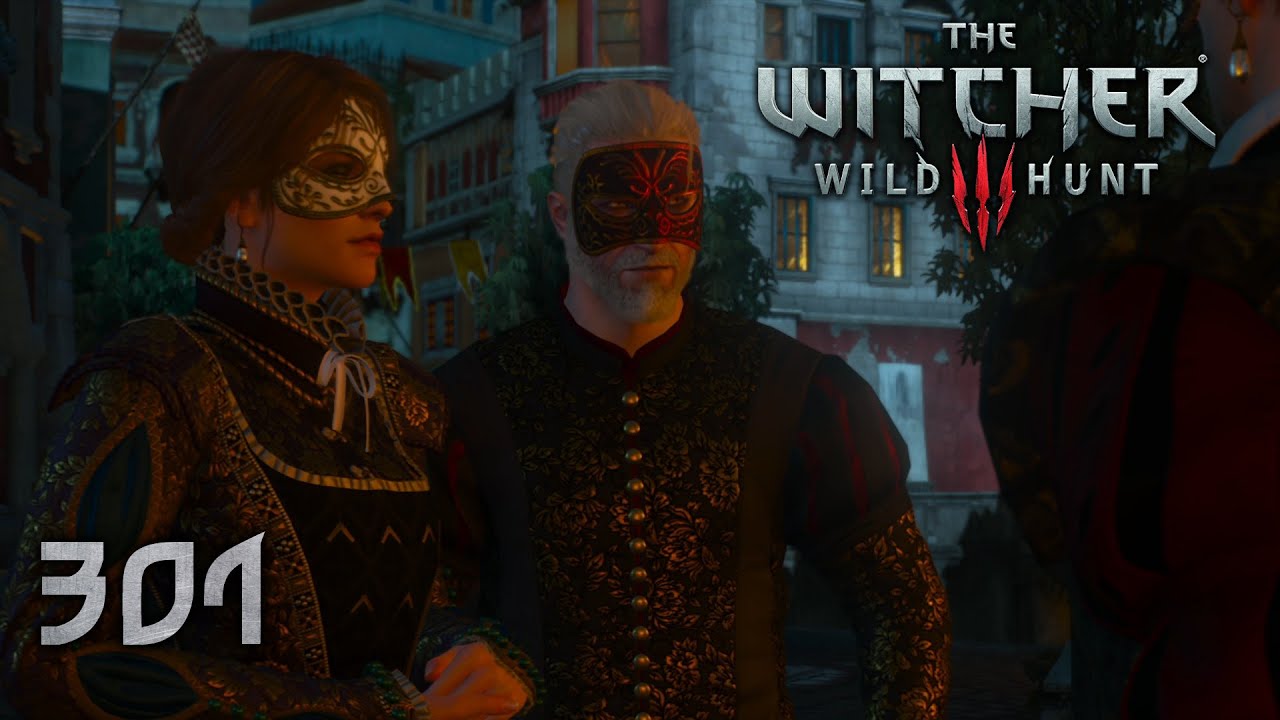
The journey of The Witcher began in the early 1980s with short stories published in Polish magazines. However, it wasn’t until the release of CD Projekt Red’s video game adaptation in 2007 that the franchise gained global attention. The games, particularly The Witcher 3: Wild Hunt launched in 2015, received numerous accolades for their rich storytelling, complex characters, and open-world design. As of 2022, sales of the games have surpassed 50 million units worldwide, signifying their substantial influence on the gaming landscape.
The Witcher on Screen
Following the success of the games, Netflix launched a TV adaptation in December 2019, starring Henry Cavill as Geralt of Rivia. The series was well-received, quickly becoming one of Netflix’s most-popular original series during its first season, garnering millions of viewers and spurring a demand for further seasons. The show’s reliance on both the original source material and elements from the games illustrates its multifaceted nature, appealing to long-time fans and newcomers alike. As of October 2023, the series is gearing up for its third season, which promises to delve further into the complexities of the characters and the world Sapkowski created.
The Cultural Impact and Future Forecast
The Witcher’s impact transcends mere entertainment; it has inspired discussions about moral ambiguity, the weight of destiny, and the nature of humanity. The franchise’s reach into merchandise, spin-offs, and fan-based content highlights its role in creating a vibrant community of fans. With the perpetual growth of interest in fantasy genres, The Witcher’s continuation in various forms—whether through animated adaptations, games, or expanded universe novels—seems inevitable.
Conclusion
The Witcher is not just a series; it represents a synergy of literature, gaming, and television that has reshaped how audiences perceive fantasy storytelling. As more adaptations and developments arise, maintaining an eye on The Witcher’s evolution will be crucial for understanding broader trends in the creative industry.