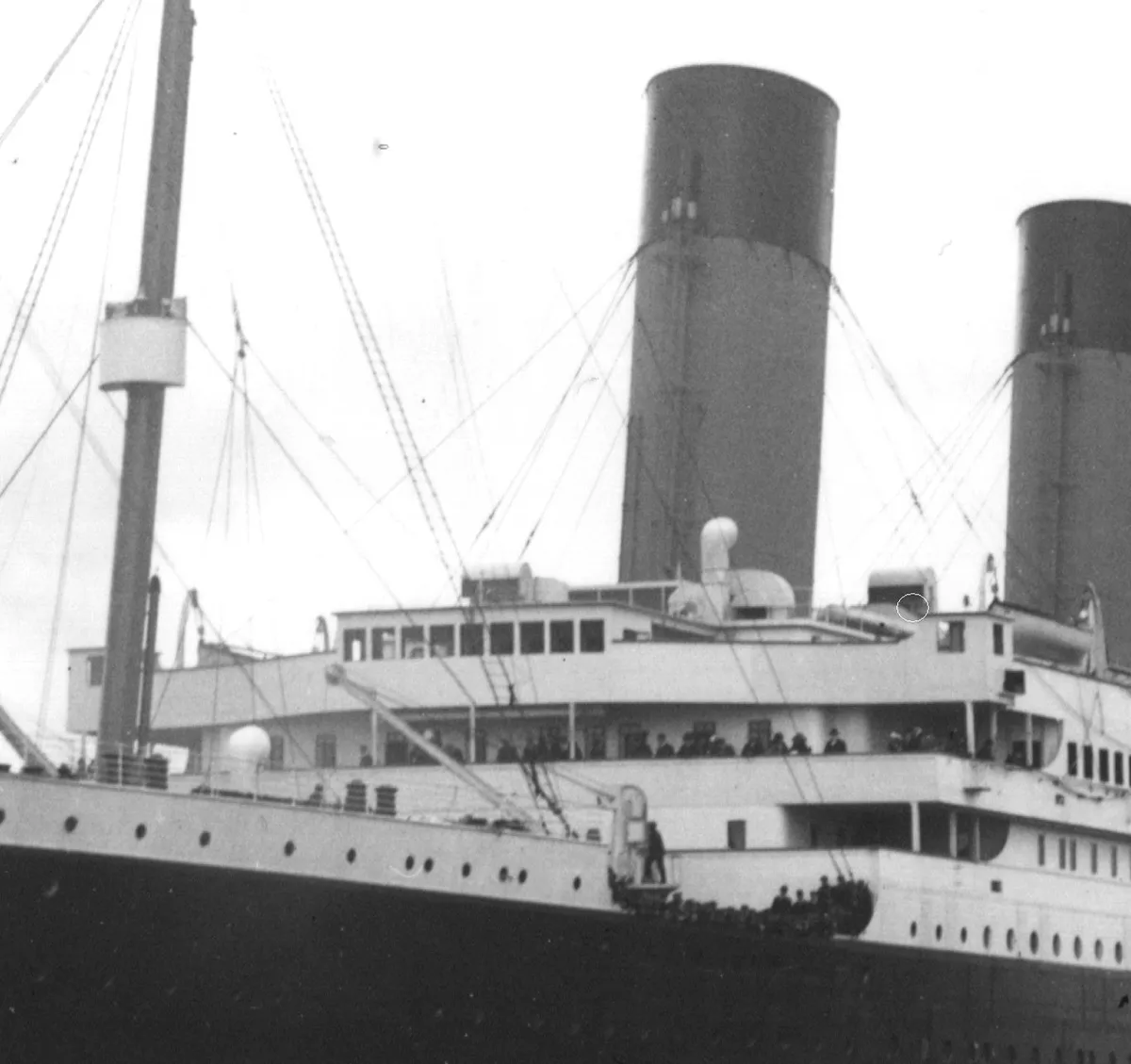
The Titanic’s Historical Context
The Titanic, built in Belfast, Northern Ireland, was launched in 1912 by the British shipping company White Star Line. The ship tragically sank on April 15, 1912, resulting in the deaths of more than 1,500 passengers and crew members. This catastrophic event has since become a significant part of maritime history, inspiring countless exhibitions and memorials.
Upcoming Exhibition in Austin
In a significant development, the exhibition titled “Titanic. The Human Story” is set to open in Austin on April 10, 2026. This immersive experience aims to bring the Titanic’s stories to life, featuring over 200 original artifacts from the ship. Visitors will have the opportunity to experience life-size recreations of various areas of the Titanic, providing a glimpse into the lives of those aboard.
The exhibition will be open to the public through mid-November 2026, with general admission tickets priced at $33 for adults, $20 for children ages 4-12, and $24 for students, military personnel, or seniors. It is estimated that visitors will spend between 80 to 90 minutes exploring the exhibition.
Construction of a Replica in China
In another notable development related to the Titanic, China is currently constructing a full-scale replica of the ship in Suining. This replica will measure approximately 269 meters (882 feet) in length, closely resembling the original vessel. The project aims to honor the Titanic’s legacy and provide an educational experience for visitors.
As these projects unfold, officials and observers anticipate that they will draw significant interest from the public, furthering the Titanic’s enduring legacy in popular culture. Details remain unconfirmed regarding the exact opening date of the replica and its planned features, but the excitement surrounding both the exhibition and the replica continues to grow.