Before the Strike
Prior to the recent developments, the geopolitical landscape in the Middle East was marked by escalating tensions between the United States and Iran. The U.S. had been engaged in a series of military operations aimed at curbing the influence of the Islamic Revolutionary Guards Corps (IRGC), but there was a prevailing expectation that civilian areas would remain untouched in such conflicts. The situation was precarious, yet there was a tacit understanding that military strikes would be conducted with a degree of restraint to avoid civilian casualties.
The Decisive Moment
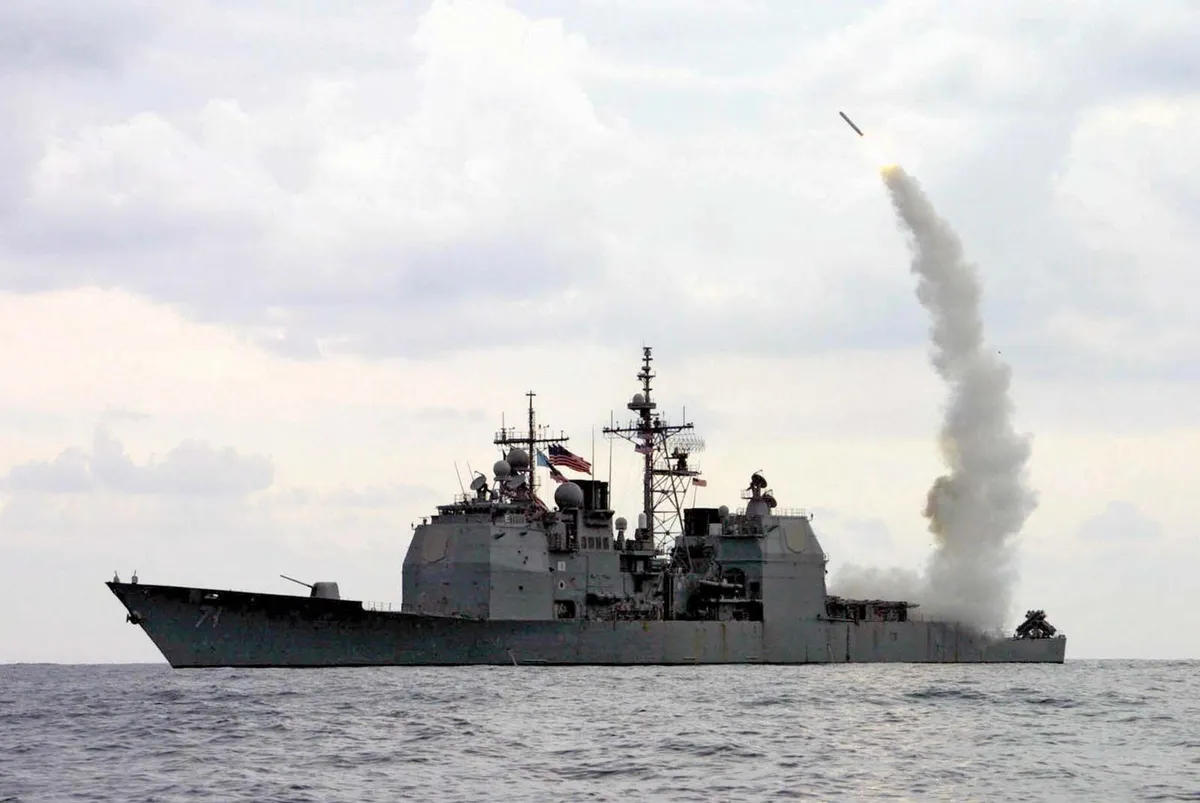
On February 28, 2026, this expectation was shattered when a U.S. Tomahawk missile struck an Iranian naval base adjacent to the Shajareh Tayyebeh primary school in Minab, Iran. The strike resulted in the deaths of over 168 individuals, with a significant number being children aged just 12 years old. This incident marked a stark deviation from previous military engagements, highlighting a troubling escalation in the use of precision weaponry in populated areas. The U.S. Central Command later confirmed the use of Tomahawk missiles in this operation, further solidifying the gravity of the situation.
Immediate Effects
The immediate aftermath of the strike was devastating. Reports indicated that the primary school was hit during a series of strikes targeting the IRGC compound, leading to widespread condemnation from various international organizations. Bellingcat, an investigative journalism group, geolocated video evidence of the strike, which has since been utilized to scrutinize the U.S. military’s actions. The incident has drawn sharp criticism from entities such as Unesco, which described the bombing as a grave violation of international law, and Human Rights Watch, which has called for an investigation into the bombing as a potential war crime.
Expert Perspectives
Experts have weighed in on the implications of this strike, with some emphasizing the need for accountability in military operations. NR Jenzen-Jones noted, “The video shows a Tomahawk missile striking a target,” which raises questions about the targeting protocols employed by the U.S. military. Furthermore, the footage appears to contradict U.S. President Donald Trump’s assertion that Iran was responsible for the deadly school blast, suggesting a complex narrative surrounding the incident. Pete Hegseth defended the U.S. military’s actions, stating, “America, regardless of what so-called international institutions say, is unleashing the most lethal and precise air power campaign in history,” reflecting a stark divide in perspectives on military engagement.
Legal and Ethical Considerations
The strike has ignited a fierce debate regarding the legality of military actions in civilian areas. With the primary school having been walled off from the IRGC compound for at least eight years, critics argue that the U.S. military failed to adhere to international humanitarian standards. The varying casualty figures, with the Pentagon reporting 165 deaths, further complicate the narrative, as details remain unconfirmed. This incident not only raises questions about the ethics of military engagement but also about the broader implications for U.S.-Iran relations.
Looking Ahead
As investigations into the strike continue, the international community is left grappling with the consequences of this military action. The U.S. military’s acknowledgment of using Tomahawk missiles in the conflict has set a precedent that may influence future engagements. The call for accountability and adherence to international law will likely persist as organizations like Human Rights Watch push for thorough investigations into the bombing.
The tragic events following the Tomahawk missile strike in Iran have underscored the complexities of modern warfare and the dire consequences of military actions in civilian areas. As the situation unfolds, the need for a careful examination of military protocols and adherence to international law remains paramount.