Before the Strike: Expectations and Context
Prior to the recent developments, the situation in Iran had been tense but relatively contained, with military engagements primarily focused on the Islamic Revolutionary Guards (IRGC) and other military targets. The expectation was that any military action would be carefully calculated to minimize civilian impact, especially given the ongoing scrutiny of international law regarding warfare. The IRGC, known for its influence in regional conflicts, had been a focal point for US military strategy, yet strikes had typically avoided civilian areas to prevent backlash and maintain a semblance of legitimacy.
The Decisive Moment: The Tomahawk Missile Strike
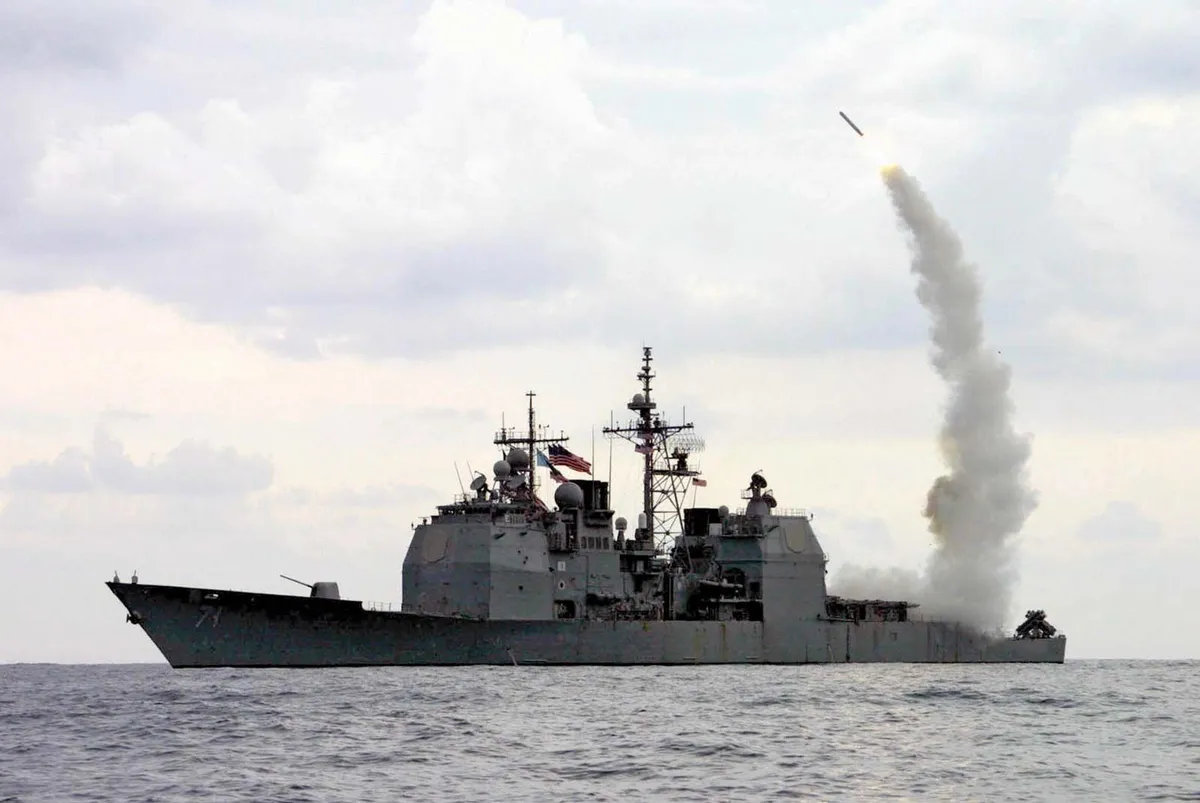
On February 28, 2026, this expectation was shattered when a US Tomahawk missile struck an Iranian naval base adjacent to the Shajareh Tayyebeh primary school in Minab, Iran. The strike resulted in the deaths of more than 168 people, with reports indicating that the majority of the casualties were children aged around 12. This tragic incident marked a significant escalation in the conflict, as it not only targeted a military compound but also resulted in devastating civilian loss, raising immediate concerns about the legality and morality of such military actions.
Immediate Effects on the Parties Involved
The aftermath of the strike has been profound. The US military has initiated an investigation into the incident, acknowledging the use of Tomahawk missiles in the conflict. Meanwhile, the Iranian government and the IRGC have condemned the attack, framing it as an egregious violation of international law. Human Rights Watch has called for the bombing to be investigated as a potential war crime, emphasizing the need for accountability in military operations that result in civilian casualties. The strike has also prompted a wave of international criticism, with organizations like Unesco labeling it a grave violation of international law.
Expert Analysis and Perspectives
Experts have weighed in on the implications of the strike. NR Jenzen-Jones noted that video evidence clearly shows a Tomahawk missile hitting a target, confirming the US’s involvement. However, footage from the scene appears to contradict claims made by US President Donald Trump, who suggested that Iran was responsible for the deadly school blast. This discrepancy highlights the complexities of the narrative surrounding the conflict and raises questions about the accuracy of information disseminated by both sides.
Satellite Imagery and Investigations
Satellite imagery has revealed that the primary school and three buildings within the IRGC compound were struck during the bombing. This evidence has been crucial in understanding the scope of the attack and its implications for civilian safety. Despite the ongoing investigations, details remain unconfirmed, and no independent agency has yet reached the site to analyze the bomb fragments. This lack of independent verification contributes to the uncertainty surrounding the exact number of casualties, as reports continue to vary.
Broader Implications for International Relations
The implications of the tomahawk missile strike extend beyond immediate casualties. It signals a potential shift in US military strategy in the region, as well as a reevaluation of the rules of engagement that govern military actions. Pete Hegseth, a commentator on military affairs, stated that America is unleashing “the most lethal and precise air power campaign in history,” suggesting a new phase in military operations that may disregard previous constraints aimed at protecting civilian lives.
Conclusion: A Critical Juncture
This tomahawk missile strike in Iran represents a critical juncture in the ongoing conflict, with far-reaching consequences for both US-Iran relations and the broader geopolitical landscape. As investigations continue and the international community reacts, the focus will likely remain on the need for accountability and adherence to international law in military engagements. The tragic loss of life, particularly among children, serves as a stark reminder of the human cost of war and the urgent need for diplomatic solutions to prevent further escalation.