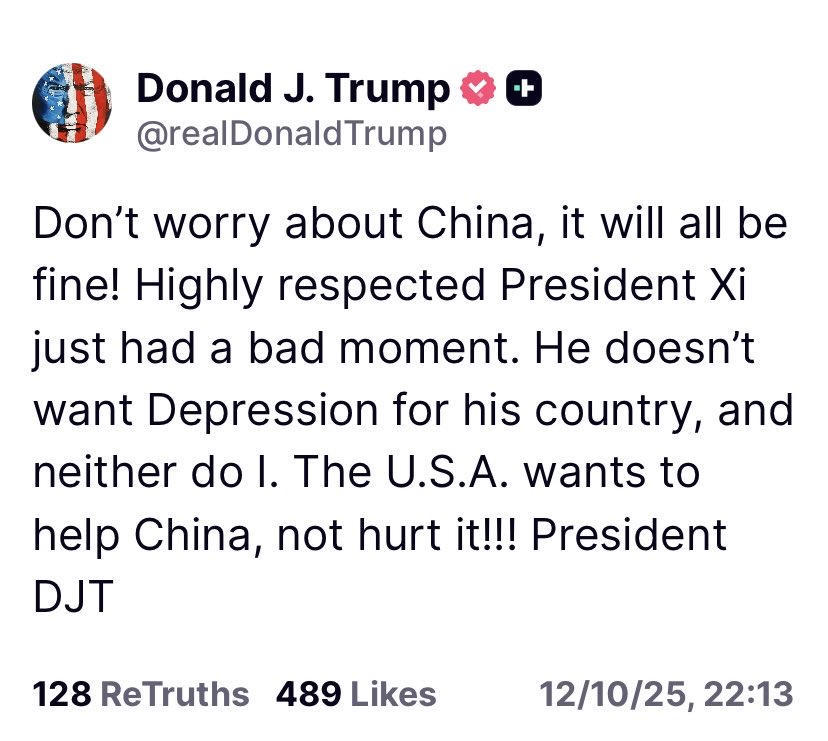
The Importance of Trump’s Twitter Presence
Donald Trump’s use of Twitter during his presidency and his return to social media landscapes remains a critical focal point in discussions about modern communication and politics. As a prominent figure in American history, Trump’s tweets were often at the center of debates, significantly influencing public opinion and media narratives. Beyond just tweets, the interactions on this platform provide insights into his political strategies and connections with supporters.
Recent Developments
In recent months, former President Trump regained access to Twitter after being banned following the Capitol riots on January 6, 2021. This reinstatement sparked discussions about freedom of speech, responsibility, and the role of social media platforms in moderating content. Reports suggest that following his return, Trump’s active engagement on Twitter has made waves in the public and political spheres alike.
Notably, Trump’s reinstated presence on Twitter has been marked by his controversial statements concerning the 2024 presidential election. In a series of tweets, he has outlined his grievances, claimed fraud, and rallied supporters, showcasing Twitter’s role in shaping political campaigns. The timing of his posts often correlates with significant political events, indicating his desire to maintain relevance within political conversations.
The Influence on Political Discourse
Social media, and specifically Twitter, has transformed how political figures communicate with constituents and the media. Trump’s usage of short, direct tweets has enabled him to bypass traditional media channels, making his messages immediate and sometimes more incendiary. Political analysts argue that his return may catalyze a new wave of digital campaigning leading up to the 2024 elections.
Moreover, Trump’s tweets frequently serve as a rallying call for his supporters, reinforcing ideological beliefs and mobilizing grassroots movements. This dynamic has amplified the polarization seen in modern American politics, where social media interactions can deepen divisions or foster community among like-minded individuals.
Conclusion and Future Implications
The re-emergence of Trump on Twitter raises important questions regarding the future of political communication. As 2024 approaches, observers will closely monitor how his use of the platform will impact voter sentiment and political strategies. For readers and political enthusiasts, Trump’s Twitter activity will likely provide an intriguing lens through which to understand evolving political landscapes.
As social media continues to play a pivotal role in optimizing campaign strategies, Trump’s footprint on platforms like Twitter emphasizes the intersection of technology, politics, and society, signaling a transformation that could redefine electoral participation and engagement.